
The first real rain after months of dry California weather has a way of exposing everything you forgot about your car.Suddenly the windshield wipers leave streaks. The glass looks hazy. Tires that seemed fine on dry pavement feel less reassuring on wet roads. Dirt and water spots become more obvious on the paint, and damp shoes or umbrellas start bringing moisture into the cabin. That is why knowing how to prepare your car for rain is worth thinking about before the forecast turns wet. Preparing for California's rainy season is not just about mechanical maintenance.
Good preparation also includes visibility, tire condition, paint protection, interior moisture control, and a few emergency supplies in case a storm slows down your trip. These rainy season car care tips focus on practical checks you can complete before the first major storm, along with the issues that should be left to a qualified mechanic or other professional. For broader seasonal preparation beyond wet-weather care, you can also review our fall car care checklist.
Why Prepare Before California’s First Rain?
California's first rainfall after a long dry spell can create particularly slippery road conditions. The California DMV warns that pavement can become especially slick when rain begins after an extended period of hot, dry weather because oil and dust have accumulated on the road surface. Drivers are advised to slow down at the first sign of rain and allow more space between vehicles. That makes early preparation useful even before heavy storms arrive. Preparing your car for California's rainy season starts with the systems that help maintain contact with the road and visibility through the windshield.
Tires, wipers, lights, and defrosters deserve attention before you actually need them. Weather can also vary significantly within California. Conditions in Burbank may be very different from those in mountain areas, Northern California, or routes affected by flooding or stronger storms. The goal is therefore not to assume every rainy day is dangerous. It is to make sure your car is ready when conditions do change.
Check Tire Tread, Pressure, and Condition
Tires deserve one of the first checks in any rainy season car maintenance routine. Water reduces the amount of direct contact between the tire and road surface, so worn tread can become more noticeable when pavement is wet. Start with a visual inspection.
Look for:
-
Tread-wear indicators becoming flush with the tread
-
Cracks in the sidewalls
-
Bulges or unusual deformation
-
Uneven wear across the tread
-
Nails or other visible damage
If you want a more precise answer to how to check tire tread for rain, use a tread-depth gauge rather than relying only on appearance. Cal OES recommends checking tire condition and notes that at least 4/32 inch of tread can provide better wet-weather traction. Pressure matters too.
NHTSA recommends checking tire pressure when the tires are cold, meaning the vehicle has not been driven for at least three hours. Use the recommended pressure listed on the driver's-side door label or in the owner's manual—not the maximum number printed on the tire sidewall. If you notice cracking, bulging, significant tread wear, or repeated pressure loss, have the tire inspected professionally. A rain-preparation checklist can identify warning signs. It cannot determine whether a damaged tire is still safe to use.
Check Wipers, Headlights, and Defrosters
Rain makes small visibility problems feel much bigger. Begin with the wipers. Run them with washer fluid and watch how they clean the windshield. Replace or inspect the blades if they:
-
Leave heavy streaks
-
Skip across the glass
-
Miss sections of the windshield
-
Make excessive noise
-
Have cracked or deteriorated rubber
If you are wondering when should I replace windshield wipers, condition matters more than waiting for a specific date. If they no longer clear water cleanly and consistently, it is time to address them. Cal OES specifically recommends replacing worn wiper blades and checking washer-fluid levels before storm conditions. Also clean the inside of the windshield. Interior film, dust, and fingerprints can make glare and car window fogging in rain much harder to deal with. Then test the front and rear defrosters before you need them. The California DMV advises drivers to use the defroster along with windshield wipers and low-beam headlights in rainy conditions.
Finish with the exterior lighting.
Check:
-
Headlights
-
Taillights
-
Brake lights
-
Turn signals
-
Hazard lights
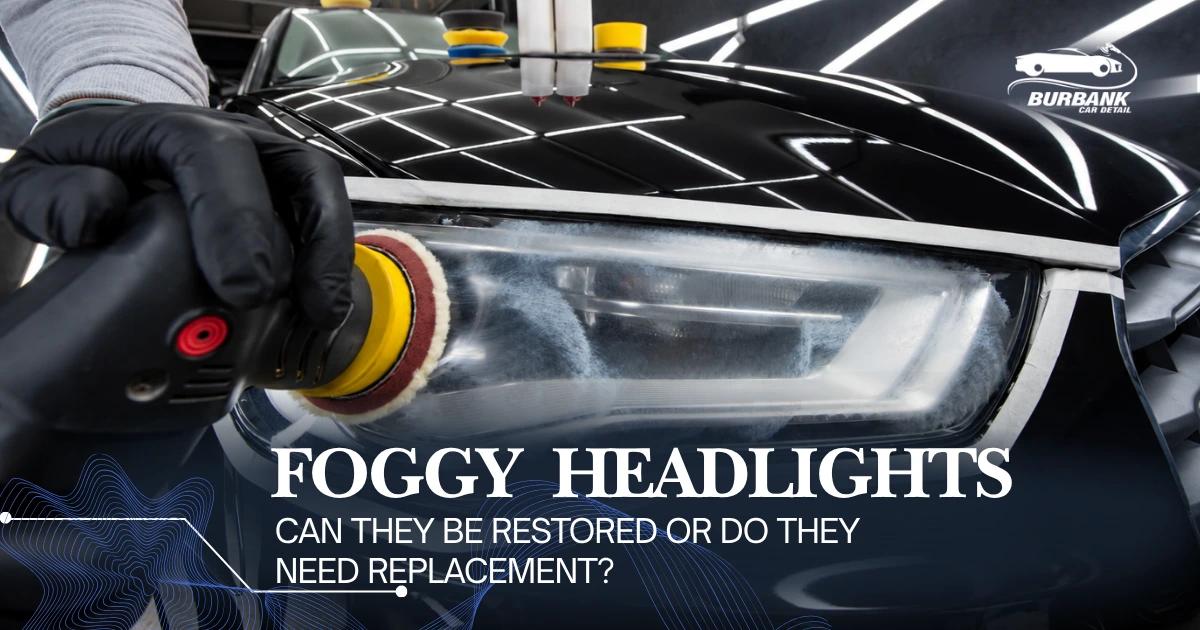
Cal OES recommends checking all of these before storm travel because wet weather reduces visibility for both you and other drivers. If your headlight lenses look yellow or cloudy on the outside, restoring foggy headlights may improve clarity when the problem is surface oxidation. Moisture trapped inside the assembly is different and may require inspection rather than exterior polishing.
How to Protect Your Car From Rain
Rain itself is only part of what ends up on your paint. Wet roads can throw grime, oily residue, dirt, and contamination onto lower body panels. Leaves, tree residue, mineral-rich water, and standing droplets can also leave marks behind once everything dries. If you are wondering how to protect your car from rain, start with a proper wash. A clean surface lets you see what you are actually working with:
-
Existing water spots
-
Embedded contamination
-
Paint oxidation
-
Scratches or swirls
-
Areas where an old wax or sealant may no longer be performing well
From there, assess the protection already on the vehicle. Wax, synthetic sealants, and ceramic coatings are different products with different durability, preparation, and aftercare requirements. Not every vehicle needs a new coating simply because rainy weather is approaching. Applying car wax before rainy weather can add a sacrificial layer of protection when the paint is properly prepared, but follow the product's application and curing instructions. Ceramic coatings can offer longer-lasting protection and make routine cleaning easier, but they are not maintenance-free. Dirt and contamination can still sit on coated paint, so regular washing remains necessary. If you are considering longer-term seasonal protection, our guide to ceramic coating before winter rain explains where that type of treatment may fit.
Newly coated vehicles need extra attention. Ceramic Pro's own aftercare instructions say its coatings can require a two-to-three-week curing period depending on conditions and advise avoiding rain, sprinklers, and washing during the specified curing window. Those instructions are specific to Ceramic Pro products, so owners of other coatings should follow their own installer's or manufacturer's guidance. The takeaway is simple: Protect the paint before rainy weather when appropriate, but do not assume every wax, sealant, or coating follows the same preparation or curing timeline.
Keep Rainwater and Dampness Out of the Interior
Rainy-season preparation should not stop outside the car. Wet shoes, jackets, umbrellas, and floor mats can introduce a surprising amount of moisture into the cabin. A few simple rainy season car care tips can help keep that moisture under control. Clean and dry your floor mats before the wet season begins. If you use all-weather mats, make sure they fit correctly, stay secured, and do not interfere with the pedals. Remove leaves, dirt, and debris from the footwells so wet material is not sitting against carpeting. It also helps to decide where wet items will go.
Keep an umbrella sleeve, waterproof bag, or small cargo liner available so soaked umbrellas and jackets do not end up directly on seats or carpeting. When thinking about how to protect car interiors from rain, also pay attention to moisture that should not be there.
After rainfall, check for:
-
Damp carpeting
-
Water around the trunk
-
Moisture near door openings
-
Repeated fogging when the car has been parked
-
Damaged or displaced weather seals
Persistent dampness can indicate a leak that needs diagnosis. Interior detailing can clean staining, odors, and residue after the source is corrected, but cleaning should not be treated as a repair for active water intrusion. If water keeps entering the cabin, have the leak inspected first.
How to Prepare Your Car for Rain: Final Checklist
Before the next storm, use this rainy season car checklist as a quick final review.
Tires: Check tread depth, cold tire pressure, sidewalls, and visible wear.
Wipers and Washer: Fluid Make sure the blades clear the windshield properly and the washer reservoir is filled.
Lights: Confirm headlights, brake lights, taillights, turn signals, and hazard lights all work.
Defrosters: Test the front and rear systems before the windows actually fog.
Exterior Protection: Wash the car, inspect the paint, and evaluate whether the existing wax, sealant, or coating still provides the protection you want.
Interior: Dry the floor mats, clear debris, and check for existing damp areas or water leaks.
Brakes: If braking feels different, sounds unusual, or has not been inspected in some time, arrange an evaluation with a qualified mechanic. Cal OES specifically recommends having brakes checked before storm conditions.
Fluids: Check applicable fluid levels according to the owner's manual. Cal OES includes oil, coolant, brake fluid, and other vehicle fluids in its pre-storm maintenance guidance.
Battery: If the vehicle cranks slowly, the battery is older, or you have concerns about its condition, have it tested.
Emergency Supplies
A car emergency kit for rainy weather can include:
-
Flashlight
-
First-aid supplies
-
Portable phone charger
-
Blanket
-
Drinking water
-
Non-perishable snacks
-
Reflective triangle or other warning equipment
Cal OES recommends several of these items for storm-season travel.
Forecast and Route
Before a longer trip, check the weather and current road conditions. Cal OES recommends using trusted forecasts and Caltrans QuickMap for closures, detours, and changing conditions. That last check can be just as important as the vehicle itself. Good car maintenance before California's rainy season prepares the car. Checking the route prepares the trip. Preparing your car for California rain does not require turning it into a major project. Start with the essentials: good tires, clear visibility, working lights, effective wipers, and a dry interior.
Then think about the parts of the car that rain and road grime affect over time. A clean exterior and appropriate paint protection can make seasonal maintenance easier, while checking the cabin for moisture can prevent a small leak from becoming a bigger interior problem. The best time to handle these checks is before the first heavy storm reveals what you forgot. For Burbank drivers who want help with exterior cleaning, paint protection, interior detailing, or evaluating cloudy headlight lenses, Burbank Car Detail can help with the detailing side of rainy-season preparation. Tire damage, brakes, battery concerns, leaks requiring mechanical repair, and other safety-related problems should be evaluated by the appropriate qualified professional.
 /
 /