
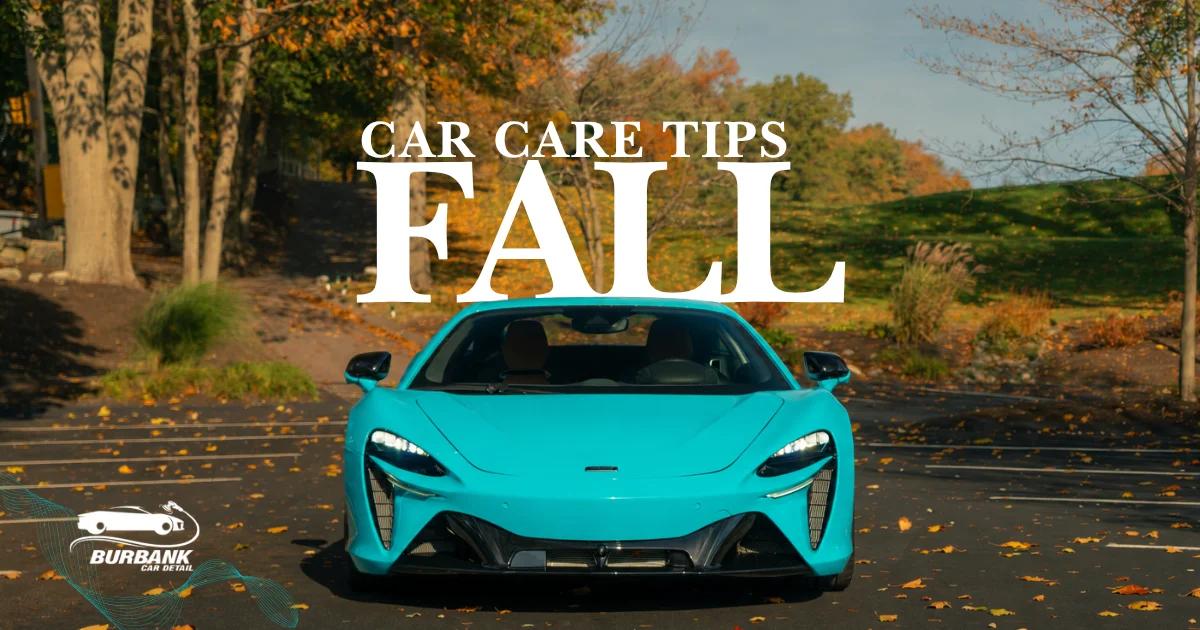
Fall looks great in photos. Your car may have a slightly different opinion. Cooler temperatures, earlier sunsets, rain, fog, wet leaves, tree debris, and changing road conditions can all make autumn surprisingly demanding on a vehicle. That is why a few practical fall car care tips can be useful before small summer problems turn into bigger headaches once the weather changes.
A good fall car maintenance checklist does not have to be complicated. Think tires, brakes, battery, fluids, visibility, lights, and a little attention to the paint. Basically, give your car a seasonal checkup before autumn starts throwing leaves at it.
How Do Fall Conditions Affect Your Car?
Fall creates a mix of driving and maintenance concerns that are different from both summer heat and full winter weather. AAA highlights wet leaves, reduced traction, earlier darkness, fog, glare, and debris around the vehicle as common seasonal issues. Leaves can also collect around air vents, windshield wipers, and the area between the hood and windshield. The purpose of fall vehicle maintenance is not to prepare for some guaranteed breakdown. It is to catch worn tires, weak wipers, poor lighting, battery problems, or exterior contamination before wetter and colder conditions make those issues more noticeable.
Wet Leaves and Reduced Tire Traction
Those pretty orange leaves on the road can become surprisingly slippery once they get wet. AAA advises drivers to slow down over large patches of wet leaves and increase following distance. Leaves can also hide potholes, curbs, lane markings, debris, and other hazards that would normally be easier to see. For better fall driving safety, reduce speed, avoid sudden braking when possible, and give the vehicle ahead more room. Tire condition matters here too. Good tread helps move water away from the contact area between the tire and road, which becomes especially important during rainy conditions.
Rain, Fog, and Windshield Visibility
A windshield can technically be clean and still become a visibility problem once glare, fog, and rain arrive at the same time. Inspect the wiper blades for streaking, skipping, cracking, or areas where they fail to clear water properly. Make sure the windshield washer reservoir is filled with the appropriate fluid and test the front and rear defrosters before you actually need them. AAA recommends using low-beam headlights in fog and using the defroster or slightly opening the windows when interior windshield fog develops. Keeping the glass clean inside and out also helps improve visibility.
Shorter Days and Vehicle Lighting
Fall means more driving after dark, even when your schedule has not changed. Check headlights, high beams, taillights, brake lights, turn signals, hazard lights, license-plate lights, and useful interior lighting.
The Car Care Council recommends checking both exterior and interior lighting and making sure headlights are properly aimed. Dirty or cloudy lenses can also reduce effective lighting, so cleaning them should be part of basic fall car maintenance.
Leaves and Debris Around the Vehicle
Leaves do not only cause problems on the road. They also like moving into your car rent-free. AAA recommends removing leaves by hand or with a blower rather than using abrasive brooms or brushes. Pay particular attention to the area between the windshield and hood, as well as vents, wipers, and areas where debris can collect. Wet leaves can hold moisture and leave behind residue. Trees can also expose paint to sap, bird droppings, pollen, berries, and other contamination that may become harder to remove if ignored. If your car regularly sits outside, it is worth understanding why parking under trees can damage your car paint.
What Should Be on Your Fall Car Maintenance Checklist?
A seasonal inspection can be done partly at home and partly with a qualified mechanic depending on your comfort level and the condition of the vehicle. The Car Care Council's fall recommendations specifically cover batteries, brakes, wipers, lights, tires, heating and defrosting systems, cooling systems, and fluids.
Test the Battery and Charging System
Cooler weather can expose a battery that was already getting weak. Have the battery and charging system tested, especially if starts have become slower or the battery is several years old. The Car Care Council specifically recommends checking the battery and charging system as colder weather approaches. Look at the battery terminals as well. Corrosion, loose connections, or damaged cables deserve attention. A car battery check in fall is much more convenient than discovering the problem when the engine refuses to start on a cold morning.
Inspect the Brakes
Wet roads and leaf-covered pavement make dependable braking even more important. Listen for grinding or squeaking and pay attention to vibration, pulling, unusual pedal feel, or changes in stopping response. The Car Care Council recommends regular brake inspection and identifies the braking system as a major vehicle safety item. If something feels different, have the system inspected rather than guessing whether the pads, rotors, or another component are responsible.
Check the Wipers and Defroster
If the wipers leave more water behind than they remove, they are not helping much. Replace blades that streak, skip, chatter, split, or fail to maintain contact with the windshield. The Car Care Council recommends checking wipers as part of fall preparation and testing the heater and defroster systems before colder conditions arrive.
Do not forget the rear wiper if your vehicle has one.
Check Essential Vehicle Fluids
Fall is also a good time to inspect basic fluid levels. Depending on the vehicle, that may include:
-
Engine oil
-
Coolant
-
Brake fluid
-
Windshield washer fluid
-
Transmission fluid
-
Power-steering fluid
Follow the specifications in the owner's manual and do not mix fluids simply because two products look similar. The cooling system deserves particular attention before colder weather, while washer fluid becomes increasingly important as rain, dirt, and road spray affect visibility.
Test All Vehicle Lights
Do a quick walk-around while someone operates the controls. Check headlights, high beams, brake lights, turn signals, taillights, hazard lights, license-plate lights, and interior lights. Replace burned-out bulbs and clean dirty lenses. If nighttime visibility suddenly seems worse even though the bulbs work, headlight alignment or cloudy lenses may deserve further inspection.
How Do Falling Temperatures Affect Tire Pressure?
As outdoor temperatures drop, tire pressure can also decrease. That makes regular tire-pressure checks an important part of fall tire maintenance. Use the recommended pressure shown on the driver's door placard or in the owner's manual. Do not inflate the tire to the maximum number molded into the tire sidewall unless that happens to match the vehicle manufacturer's specification. AAA recommends checking pressure with a tire gauge and following the vehicle manufacturer's recommended pressure.
Check Every Tire and the Spare
Check all four tires when they are cold, and include the spare if your vehicle carries one. Do not rely exclusively on the tire-pressure monitoring system. It is an important warning system, but checking pressure manually can help you catch gradual changes before the dashboard warning appears.
Continue checking throughout fall because temperatures can change considerably from one week to the next.
Inspect the Tread and Sidewalls
Pressure is only half the tire story. Look for uneven or shallow tread, cracks, cuts, punctures, bulges, or other visible damage. AAA notes that sufficient tread helps channel water away from the tires on wet roads. Uneven wear can also indicate an alignment, suspension, inflation, or other issue worth investigating.
When to Request a Professional Inspection
Some tire problems should not be diagnosed with a quick driveway inspection. Have the tires professionally checked if you notice repeated pressure loss, bulges, deep cuts, unusual vibration, uneven wear, pulling, or noticeable handling changes. A home tire inspection is useful for spotting obvious problems. It is not a substitute for professional evaluation when the tire may be structurally damaged.
How Can You Protect Your Car’s Exterior During Fall?
Mechanical maintenance matters, but fall can be rough on paint too. Leaves, sap, bird droppings, pollen, rain residue, dust, and road grime can sit on exterior surfaces. Contamination is generally easier to deal with when it is removed promptly rather than allowed to dry, harden, or remain trapped against the paint. Avoid dry wiping or scraping stubborn contamination. Abrasive brushes and harsh household cleaners can create additional paint problems instead of solving the original one. Fall can also be a useful time to remove contamination accumulated during summer and refresh the vehicle's protective layer before wetter weather.
Wax, paint sealants, ceramic coatings, and paint protection film provide different levels and types of protection. They can make routine cleaning easier, but none makes a car maintenance-free. For Southern California vehicles, ceramic coating during fall can be a practical way to reset paint after months of sun, dust, sap, water spots, bugs, and other summer contamination before the wetter season arrives.
Simple Fall Car Care Checklist
Want the short version? Use this fall car care checklist before autumn gets fully underway:
-
Check tire pressure, tread, and visible tire condition.
-
Test the battery and charging system.
-
Pay attention to brake noise and braking response.
-
Check oil, coolant, brake fluid, washer fluid, and other applicable fluids.
-
Replace worn windshield wipers.
-
Test the front and rear defrosters.
-
Check headlights, brake lights, taillights, turn signals, and hazard lights.
-
Remove leaves from the windshield, hood, vents, and other collection areas.
-
Clean sap, bird droppings, pollen, and other paint contamination safely.
-
Review exterior protection before wetter weather arrives.
That is usually enough to prepare your car for fall without turning the weekend into a full mechanical restoration project.
Prepare Your Car for a Safer and Cleaner Fall
The most useful fall car care tips are often the simple ones. Keep the tires properly inflated. Make sure the brakes feel right. Test the battery before colder weather exposes a weak one. Keep the windshield clear, the wipers working, and the lights clean enough to actually do their job. And do not forget the exterior. Leaves, sap, pollen, bird droppings, and rain residue can build up quickly when a car spends much of autumn outdoors.
A little autumn car maintenance now can support better traction, visibility, reliability, and paint care through the rest of the season. For Burbank drivers whose cars need more than a quick wash, professional fall car detailing can help remove seasonal contamination, clean hard-to-reach areas, and prepare the exterior for whatever autumn decides to drop on it next.
 /
/ /
/