
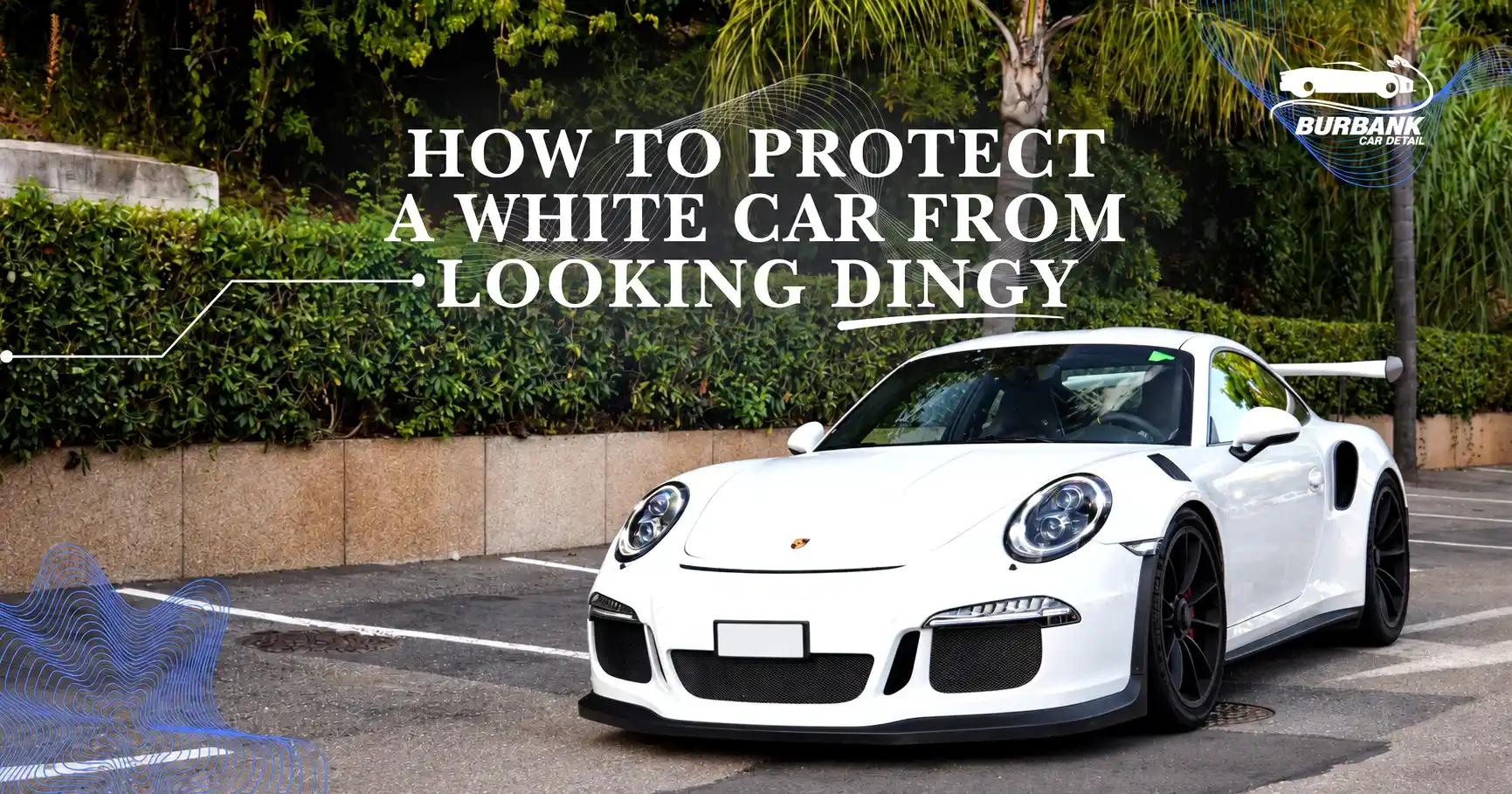
White cars have a special talent: they can look freshly detailed at 8:00 a.m. and somehow look like they crossed a desert by lunch. A little road film creeps onto the lower doors. Pollen settles across the hood. A sprinkler contributes a collection of water spots nobody asked for. Then a bird flies overhead and decides your clean white roof needs a personal touch.
The good news is that white cars are not necessarily dirtier than cars of other colors. The problem is what becomes noticeable against that bright finish. Road grime, iron contamination, bug stains, and dirty lower panels can quickly take white paint from crisp to tired-looking.
That makes white car paint protection less about endlessly chasing every speck of dust and more about having the right routine. Proper washing and drying come first. Decontamination and polishing can restore paint that has lost some of its brightness, while wax, sealants, and ceramic protection can make the finish easier to maintain. Here is how to keep white looking white, rather than that mysterious shade of “I swear I washed it last week.”
Why Does a White Car Start Looking Dingy?
White paint can be surprisingly forgiving. It tends to disguise certain scratches and imperfections better than darker finishes. But there is a catch: the contamination that does show can completely change the character of the paint.
Road film is particularly noticeable around rocker panels and lower doors. Tar creates dark dots. Iron fallout can appear as tiny orange specks. Bird droppings, bug splatter, tree sap, and mineral deposits can leave isolated marks that immediately interrupt an otherwise clean white surface. The result is rarely dramatic enough to notice overnight. Instead, the car gradually loses that crisp, bright appearance that made white such a good color in the first place.
What Makes White Paint Look Gray, Yellow, or Dull?
When white paint starts looking slightly gray or flat, do not immediately assume the color itself has permanently changed.Often, what you are seeing is contamination sitting on or bonded to the finish. Road grime can darken lower panels, while iron particles, bugs, tar, and other deposits create discoloration that an ordinary rinse may leave behind. There is also a difference between clean and glossy. Paint can be technically clean while still looking dull because of surface defects or oxidation. If washing and decontamination do not bring the brightness back, polishing may be the next step.
How Do Road Film, Water Spots, and Paint Stains Affect White Cars?
Road film is sneaky. Instead of leaving one obvious stain, it can create a thin gray layer along the lower portions of the vehicle. Eventually, you look at the doors and wonder why the top half of the car seems to be a different white than the bottom. Water spots cause a different problem. Minerals left behind when water evaporates can produce visible marks, while bug residue, bird droppings, tree sap, and similar contaminants can become harder to remove if they remain on the surface. That is why the best strategy is not aggressive scrubbing later. It is removing contamination correctly and early.
How Should You Wash a White Car?
A good white car wash routine is not complicated, but technique matters. Start by rinsing loose dirt away rather than immediately rubbing it across the paint. Use products intended for automotive finishes, and avoid reaching for dish soap or an old household sponge simply because they happen to be nearby. Cloud10 specifically warns that rough sponges and household cleaners can leave residue or harm the finish.
White paint also makes it tempting to keep scrubbing until every visible mark disappears. Resist that temptation. If something remains after a proper wash, it may be bonded contamination that needs a different treatment rather than additional pressure. Your clear coat will appreciate the restraint.
How Often Should You Wash a White Car?
As a general maintenance guideline, Cloud10 recommends washing a white car approximately every one to two weeks to keep grime from accumulating. That is a guideline, not an appointment your car has secretly added to your calendar. A vehicle driven daily through dust, road salt, pollution, rain, or heavy pollen may need attention sooner. A garage-kept weekend car may not. The better rule is to watch the condition of the paint. When visible road film and contamination start building up, deal with them before they become part of the scenery.
What Is the Best Way to Wash and Dry White Car Paint?
Begin with a thorough rinse or pre-wash to loosen heavier contamination. Then perform the contact wash using clean, paint-safe materials. Drying deserves just as much attention. Letting mineral-heavy water evaporate naturally can leave behind water spots, so use a clean automotive drying towel rather than leaving the California sun to finish the job. The sun is excellent at many things. Being your detailing assistant is not one of them.
Should You Clean the Wheels Before Washing the Body?
Yes, wheels and tires should come first. Brake dust and wheel grime are dark, messy, and particularly easy to notice when they splash onto white bodywork. Cleaning the wheels first means any grime that reaches nearby paint can be removed during the main wash afterward. Do not forget the wheel arches and liners either. A bright white body sitting above neglected, dirty wheel wells can make even freshly washed paint look unfinished.
How Can You Remove Stains and Contamination From White Paint?
Here is where white car detailing goes beyond soap and water. If you wash the vehicle thoroughly but still notice orange specks, tar dots, rough patches, or stubborn stains, you may be dealing with bonded contamination. Washing the car repeatedly will not necessarily remove it. Chemical decontamination comes first. An iron remover can dissolve embedded iron particles, while an appropriate tar remover can tackle stubborn tar deposits.
Then comes a wonderfully low-tech test: run your hand gently over the clean paint. If it still feels rough instead of smooth, mechanical decontamination with a clay bar may be appropriate. Clay can remove bonded contaminants such as tree sap, pollen, dried bug residue, water spots, mineral deposits, overspray, and material left after chemical treatment. This is often the moment when a supposedly “clean” white car becomes actually clean.
What Is the Best Car Polish for White Cars?
The best car polish for white cars depends less on the color and more on what is wrong with the finish. For relatively healthy paint with minor imperfections, a resin polish or glaze can mask fine defects and create a smoother-looking surface that reflects light more evenly. That can give white paint noticeably more gloss without performing extensive correction. If the clear coat has visible swirl marks, marring, or minor scratches, proper machine polishing or paint correction may produce a more meaningful improvement. Use strong lighting when inspecting white paint. White can disguise fine defects remarkably well, which is wonderful until you realize your car has been keeping secrets from you.
What Paint Protection Keeps a White Car Looking Bright?
Getting white paint clean is only half the job. The next goal is keeping it that way. Paint protection creates a sacrificial barrier between the finish and everyday environmental exposure. Depending on the vehicle, budget, paint condition, and maintenance routine, that protection might involve car wax, a paint sealant, ceramic protection, or paint protection film. Protection will not create an invisible force field around your car. Dust will still land. Bugs will continue making questionable life choices near your bumper. What protection can do is make contamination less troublesome to remove and future maintenance easier.
Is Wax or Paint Sealant Better for a White Car?
Traditional wax remains an excellent option when the goal is enhancing shine while adding a layer of protection. A quality wax can make clean white paint appear glossier and help protect the finish from environmental exposure. Some waxes can also be layered, although application and reapplication intervals should follow the specific product manufacturer's directions.
A paint sealant is another practical choice for owners who prioritize durability and easier maintenance. There is no universal “best wax for white cars” simply because the vehicle is white. Preparation matters more. Applying an expensive product over dirty or contaminated paint is a little like putting a glass display case over a dusty table. You have protected it. Unfortunately, you have protected the dust too.
Is Ceramic Coating for a White Car Worth It?
A ceramic coating for a white car can make sense when easier maintenance and water-repellent behavior are priorities. Ceramic-style protection can improve slickness, water beading, gloss, and resistance to everyday grime. That does not mean the vehicle becomes self-cleaning. It means a properly protected surface can generally be easier to wash and dry. Preparation is crucial here as well. If the paint is contaminated, hazy, or covered with noticeable defects, deal with those issues before applying protection. Existing iron contamination will not magically disappear beneath a coating, and a coating cannot substitute for paint correction when the finish itself needs correction. Think of ceramic protection as the finishing move, not the rescue mission.
How to Keep a White Car White?
Once the paint is clean, smooth, polished if necessary, and protected, maintenance becomes much simpler. The goal is consistency rather than perfection. Good protection can encourage water beading, help reduce how strongly grime clings to the surface, provide UV protection, and make routine washing and drying easier. But bird droppings, bug splatter, hard-water deposits, and road grime should still be removed promptly rather than being allowed to settle in.
Parking choices can help too. A garage or protected parking area can reduce exposure to pollen, tree sap, bird droppings, and other environmental contaminants. A suitable detailing product can be useful for small touch-ups between full washes when used according to its directions.
And keep your towels clean. There is little point in carefully washing your car only to introduce grime again with a dirty drying towel. Some of the biggest white car paint protection mistakes are surprisingly simple: applying protection over dirty paint, skipping decontamination when the finish feels rough, using too much product, ignoring iron fallout, allowing bug residue to remain, and working with dirty towels. In other words, keeping white paint bright does not require treating your car like a museum exhibit. It just requires not waiting until “Arctic White” becomes “Freeway Beige.”
White is one of those colors that looks effortless when it is clean. Of course, looking effortless and being effortless are two very different things. The foundation of good white car paint protection is simple: wash regularly, dry carefully, and remove bird droppings, road film, water spots, and other contamination before they have time to become stubborn. When washing is no longer enough, decontamination can remove material bonded to the surface. Polishing or paint correction can address a finish that has become dull or marked, while wax, paint sealant, or ceramic coating can add protection and make ongoing maintenance easier.
And when stains, rough contamination, swirl marks, or dullness remain after ordinary cleaning, professional detailing may be the better move. After all, you bought a white car because white looks clean, crisp, and timeless. Not because you wanted to spend every Saturday negotiating with a water spot.
 /
/ /
/