
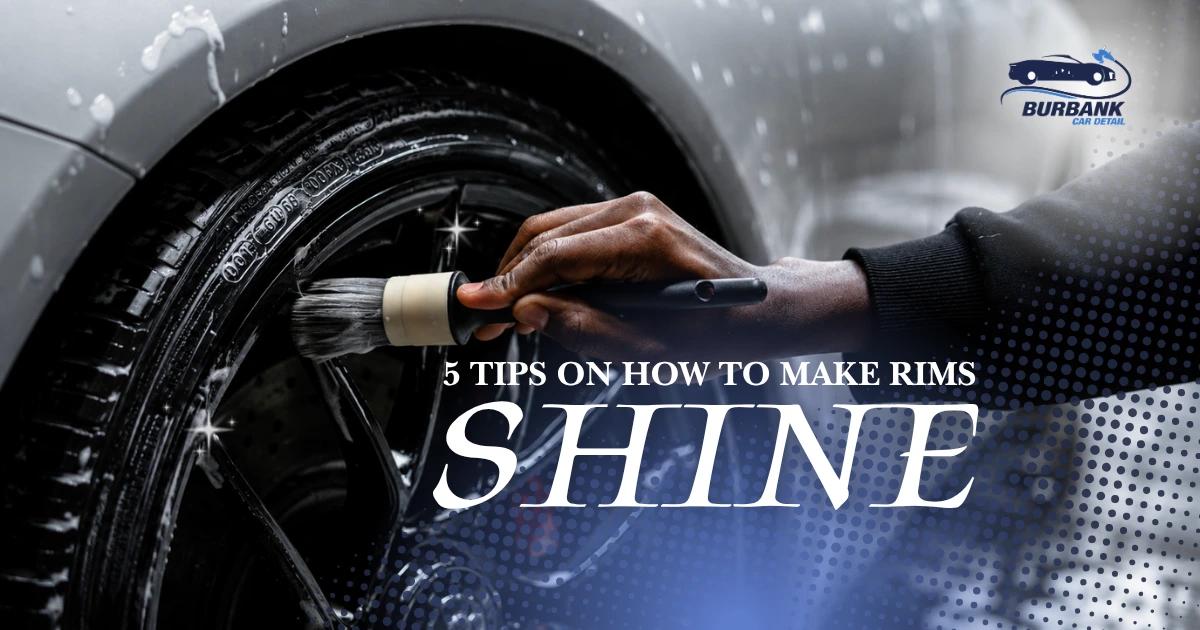
Imagine a scenario where you finish washing your car, step back, and admire the freshly cleaned paint. Everything looks great… until your eyes land on the wheels. The rims still look dusty, dull, or scratched even though the rest of the car is spotless. It’s a common frustration for many drivers.
The reason is that rims collect brake dust, road grime, and small scratches faster than almost any other part of a car since they sit closest to the road surface. Even after a full car wash, they can still appear faded or dirty. That’s why so many car owners search for answers on how to make rims shine, how to shine rims, or the best techniques for how to make your rims shine like new.
Many drivers assume that simply applying polish will solve the problem. Others look for the best cleaner for rims and expect instant results. However, the truth is that shiny wheels come from a combination of proper cleaning, polishing, and protection. Skipping preparation steps can actually make rims look worse instead of better.
The good news is that restoring rims like new is not difficult if you follow the right approach. In this guide, we’ll walk through five simple but effective tips that show how to clean, polish, and protect your wheels while also explaining what to do if scratches or curb damage appear.
Tip 1: Start With a Proper Rim Cleaning Process
The most important step in learning how to make rims shine is proper cleaning. Polishing dirty rims is one of the biggest mistakes people make because trapped dirt and brake dust can scratch the surface and reduce the shine.
Wheels collect a mix of brake dust, grease, and road grime that builds up over time. To remove these contaminants, start by rinsing the wheels with water to loosen debris. Next, apply a rim cleaner spray or a dedicated rim cleaner designed specifically for automotive wheels.
Choosing the best cleaner for rims often depends on the material of your wheels. Aluminum, chrome, and alloy rims may require different types of cleaning formulas to avoid damaging the finish. After applying the cleaner, use a soft brush to reach between spokes and around lug nuts, where dirt tends to accumulate.
A simple process usually works best:
- Spray the wheel with a rim cleaner spray
- Gently scrub with a soft brush
- Rinse thoroughly with water
- Dry the rim using a microfiber towel
Drivers who prefer gentler cleaning methods sometimes look for ways to clean car rims naturally, which can involve mild soap and water. Regardless of the method, the goal is to remove all grime before moving on to polishing.
Tip 2: Choose the Best Way to Polish Wheels
Once the rims are clean and dry, polishing is what actually restores their shine. This step helps remove light oxidation and small imperfections that cause rims to look dull. The best way to polish wheels is by applying a wheel polish with a foam applicator pad and working it into the surface using small circular motions. After that, buff the rim with a microfiber cloth until the surface becomes glossy and reflective.
Polishing can improve the appearance of rims by removing:
- Light oxidation
- Minor swirl marks
- Surface-level scratches
Working on one wheel at a time helps ensure an even finish. Once polishing is complete, applying a protective sealant or wax will help maintain the shine and prevent brake dust from sticking to the surface.
When done correctly, this process is one of the most effective ways to learn how to make your rims shine and maintain that freshly detailed look.
Tip 3: Fix Minor Scratches and Curb Rash on Rims
Even after cleaning and polishing, rims might still look worn if they have scratches. One of the most common types of wheel damage is curb rash, which happens when the rim scrapes against a curb while parking.
If you’re wondering how to fix curb rash on rims, minor damage can often be repaired without replacing the wheel. The process usually involves sanding the scratched area to smooth out the surface before refinishing it.
A basic curb rash repair typically includes cleaning the damaged area, lightly sanding it with fine sandpaper, and applying a filler if the scratch is deep. Once the area is smooth again, primer and matching paint can restore the rim’s appearance.
These steps are commonly used in alloy scratch repair, and they can significantly improve how wheels look after minor damage.
Tip 4: Restore Damaged Wheels With Alloy Wheel Repair
Some wheel damage goes beyond simple scratches. Deep gouges, corrosion, or bent rims may require professional attention.
Specialists in alloy wheel repair use advanced tools to reshape and refinish damaged wheels. These services often include wheel damage repair, repainting, and applying protective coatings that restore both the appearance and durability of the rim.
If you’re researching how to repair alloy wheels, it’s important to know that structural damage should usually be handled by professionals. Professional repairs can restore severely damaged wheels back to rims like new condition while ensuring the wheel remains balanced and safe to drive on.
Tip 5: Protect Your Rims to Keep Them Shiny Longer
Once your rims are clean and polished, the next step is maintaining that shine. Without protection, brake dust and road grime can quickly build up again.
Applying a protective sealant or coating after polishing helps prevent contaminants from sticking to the wheel surface. Regular cleaning with a rim cleaner will also help maintain results without damaging the finish.
A few simple habits can make a big difference:
- Wash wheels regularly to remove brake dust
- Use a dedicated rim cleaner spray instead of harsh chemicals
- Park carefully to avoid curb contact
By following these habits, you can reduce the chances of needing another curb rash repair and keep your wheels looking polished for much longer.
When Professional Wheel Detailing Is the Best Option
Although many rim cleaning and polishing tasks can be handled at home, professional detailing services often deliver deeper cleaning and longer-lasting results.
Professional detailers use specialized tools and products to remove stubborn brake dust, eliminate oxidation, and safely restore the shine of the wheel surface. They can also address minor imperfections without damaging the rim finish. For drivers who want their wheels restored to showroom condition, professional detailing can be the fastest and most reliable solution.
Shiny rims can dramatically improve the overall appearance of a car. Clean, polished wheels make a vehicle look newer and better maintained while helping preserve its long-term value. Learning how to make rims shine comes down to a few key steps: cleaning thoroughly, polishing correctly, repairing minor damage, and protecting the surface from future wear. Whether you’re learning how to shine rims at home or considering professional detailing, consistent maintenance will keep your wheels looking their best.
With the right care and attention, your rims can stay bright, reflective, and looking like new for years to come.
 /
/ /
/