
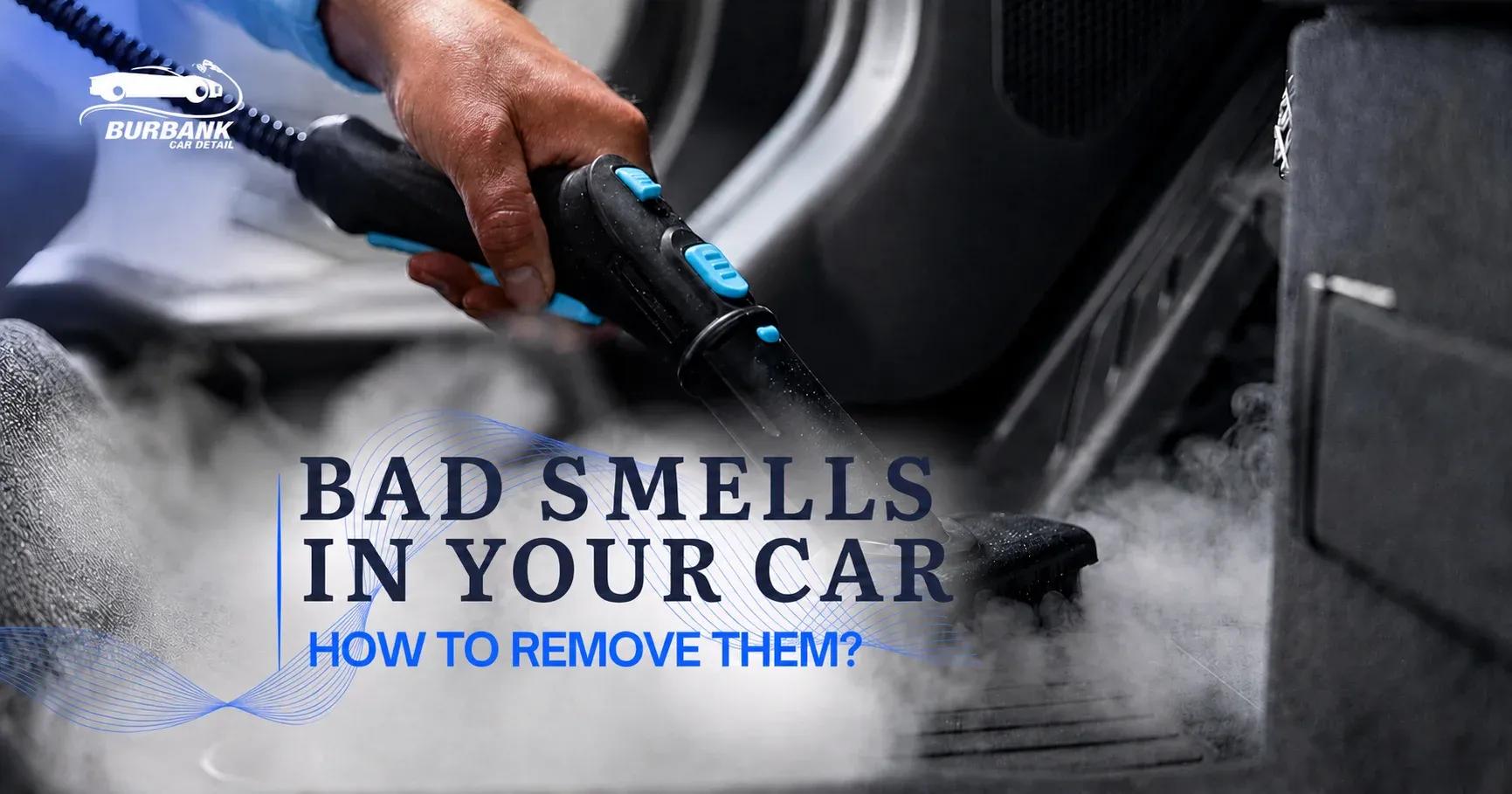
Bad smells in a car can make every drive uncomfortable. Air fresheners may hide the odor for a short time, but they usually cannot fix the problem while the source is still inside the vehicle. If you want to know how to get smell out of car interiors, the real answer starts with finding the cause, removing it, cleaning the affected materials, drying the interior and checking the ventilation system when needed.
This matters whether you are dealing with food, smoke, mildew, pets, spilled drinks or a mystery odor that seems to come back every time the car gets warm. Learning how to get bad smell out of car interiors is not about spraying a stronger scent. It is about cleaning the source so the smell does not keep returning.
Why Does My Car Have a Horrible Smell Inside?
A car can smell bad for many reasons. Common causes include old food, trash, spilled coffee, pet hair, smoke residue, gym bags, wet carpets, dirty floor mats, damp upholstery, dirty cabin air filters or hidden mechanical problems. Consumer Reports explains that odor removal works best when drivers first identify the source instead of only covering the smell.
Start by checking under the seats, inside cup holders, between seat cushions, under floor mats, around the trunk and near any damp carpet or upholstery. A small food spill or forgotten trash bag can create a strong smell after sitting in a hot car.
If the odor comes from the vents, the issue may be different. A musty smell from the air conditioning can point to moisture inside the ventilation system, a dirty cabin air filter or a clogged drain. Consumer Reports recommends cleaning vents, replacing filters when needed
Older vehicles can also develop what people call an “old car smell.” That is not one single problem. It may come from years of embedded dirt, aging upholstery, moisture leaks, old carpet, dirty vents or materials that have absorbed odors over time. To learn how to get rid of bad smell in
How to Get Smell Out of a Car Step by Step
The best way to remove car odors is to follow a simple order: remove the source, vacuum the interior, clean the affected surfaces, dry everything completely and check the air
This is also the answer to “How to remove a very bad smell from a car?” Strong odors need more than fragrance. They need source removal and deep cleaning.
If you need to remove the smell quickly, start by airing out the vehicle, removing trash and blotting fresh spills. That can reduce the odor fast. But smells trapped in fabric, carpet padding or vents may need deeper treatment before they fully go away.
Remove the Odor Source
First, remove anything that may be producing the smell. Take out food wrappers, trash, damp clothes, sports gear, old drink cups, pet blankets and anything stored in the trunk. Check beneath seats and mats for hidden crumbs or spills. If there is a fresh liquid spill, blot it right away. Do not rub it deeper into the material. The faster you remove moisture, the lower the chance that the smell will settle into the carpet or seat padding.
Vacuum and Clean the Interior
Next, vacuum the entire interior. Focus on carpets, floor mats, cloth seats, seat seams, cargo areas and hard-to-reach spaces. Crumbs, dust and pet hair can hold odors even after the original mess is gone. Use automotive cleaners that match the surface. Cloth seats, leather, vinyl, plastic and carpet may need different products. Test any cleaner in a hidden area first. Chemical Guys recommends using baking soda on seats and carpets as a home remedy for odor absorption, then vacuuming it away after it sits for a few hours.
If odors have entered the fibers, seats and carpets may need shampooing. Avoid soaking upholstery because trapped moisture can create a new musty smell. The goal is to clean the material and dry it fully, not leave the cabin damp.
Clean the Vents and Check the Cabin Air Filter
If you still need to know how to remove odor from car interiors after cleaning the seats and carpets, check the vents. Dust, moisture and contaminants can stay inside the ventilation system and keep pushing odor back into the cabin. Wipe accessible vent surfaces and check your owner’s manual for cabin air filter replacement instructions. A dirty cabin air filter can trap odors and reduce air quality. If the smell continues after cleaning, you may need a professional inspection, especially if the drain is blocked or the odor smells like coolant.
How Can You Remove Smoke, Mildew and Other Stubborn Odors?
Different smells need different cleaning methods. A car odor eliminator can help, but no single product removes every severe or long-standing smell. Match the treatment to the source.
How to Get Smoke Smell Out of a Car
Smoke residue can settle on windows, dashboards, door panels, headliners, seats, carpets and inside the ventilation system. That is why smoke odors are difficult to remove. To learn how to get smoke smell out of car interiors, start by airing out the vehicle, wiping hard surfaces and carefully cleaning fabrics.
Cigarette and weed odors are both smoke-related, so the cleaning process is similar. If you are trying to figure out how to get cigarette smell out of car interiors or how to get weed smell out of car materials, remember that smoke particles may be trapped in fabric and vents. Practical Motoring recommends airing out the vehicle and wiping interior surfaces with a white vinegar and water solution for smoke odor, but avoid over-wetting delicate areas. Do not saturate the headliner. Too much moisture can damage the adhesive and cause sagging. Severe smoke contamination may require professional detailing or odor treatment.
How to Get Mildew Smell Out of a Car
Mildew odor usually means moisture is present or was present recently. Before cleaning, find the moisture source. Check windows, sunroofs, door seals, trunk seals, floor mats and carpet areas. Consumer Reports notes that trunk odors can come from cargo leaks or rainwater seeping around seals, and the carpet should be dried and cleaned when moisture is involved. To learn how to get mildew smell out of car interiors, focus on drying first. Wet carpets and mats should be extracted and dried completely. If there is visible mold, extensive water damage or a continuing leak, contact a mechanic or mold-remediation professional.
How to Get Throw-Up Smell Out of a Car
Vomit odor needs quick action because it can soak into fabric, carpet and padding. Remove the mess promptly, blot remaining moisture and use an automotive cleaner made for the affected surface.
For biological spills, an enzyme-based cleaner may help break down odor-causing material. Follow the product label and test it first. If the liquid soaked into carpet padding, professional extraction may be needed. This is often the safest answer for how to get throw-up smell out of car interiors when the smell does not go away after surface cleaning.
What Absorbs Bad Smells in a Car?
Some household odor absorbers can help after the source has been cleaned. Baking soda can absorb odors from dry carpets and cloth upholstery before being vacuumed away. Chemical Guys also mentions vinegar as a simple odor-neutralizing option when placed in a cup inside the vehicle overnight.
So, will a bowl of vinegar absorb odor in a car? It may help with mild lingering odors, but it should only be placed securely in a parked, unoccupied vehicle and removed before driving. Coffee grounds may also help reduce lingering cabin smells, but they do not replace cleaning. Do not apply vinegar, baking soda or any cleaning product carelessly to leather, screens, electronics or wet surfaces. Never mix vinegar with bleach or other cleaning chemicals.
When Should You Use a Car Odor Eliminator or Professional Help?
A car odor eliminator should neutralize odor, not just cover it. Choose a product made for the odor type and surface you are treating. Some sprays and foggers may make the car smell better temporarily, but they may not solve smoke, mold, water damage, rodent or ventilation odors. Professional ozone treatment may help with persistent odors, but ozone can harm the lungs. No person or pet should be inside the vehicle during treatment, and equipment instructions must be followed carefully. If you are not familiar with ozone equipment, professional treatment is the safer option.
You should also get professional help if the smell is strong, keeps coming back, involves visible mold, follows water damage or seems connected to the A/C system. A sweet or fishy smell from the vents may point to coolant leakage and should be inspected promptly.
How Can You Keep Your Car Smelling Fresh?
To make a bad-smelling car smell good, clean and dry the interior before adding fragrance. A fresh scent works best after the odor source is gone. Remove trash regularly, wipe spills immediately, vacuum under seats, clean floor mats and avoid leaving damp items inside the car. Check for moisture after rain, car washes or water leaks. If the cabin is clean and dry, a mild automotive air freshener or securely placed odor absorber can help keep the car pleasant.
What can you put in your car to smell nice? Use a mild air freshener, odor absorber or interior-safe fragrance after cleaning. Do not rely on heavy perfume to cover a dirty cabin. Luxury cars often smell good because the cabin is clean, dry and well-maintained. Materials, ventilation and controlled fragrance can all create that impression. The same idea applies to any vehicle: keep the interior clean, prevent moisture and avoid letting odors sit for days.
Final Thoughts
Lasting odor removal begins with finding and cleaning the source. To get results, remove the cause, vacuum the interior, clean affected surfaces, dry the cabin and inspect the ventilation system if the smell continues.
Whether you are trying to learn how to get smells out of car interiors, how to remove odors from car fabrics, or how to freshen car interior materials, the process is the same: clean first, deodorize second and add fragrance last.
For Burbank drivers with odors trapped in seats, carpets or floor mats, a car interior shampoo service in Burbank can provide a deeper clean when basic vacuuming and sprays are not enough.
 /
/ /
/