
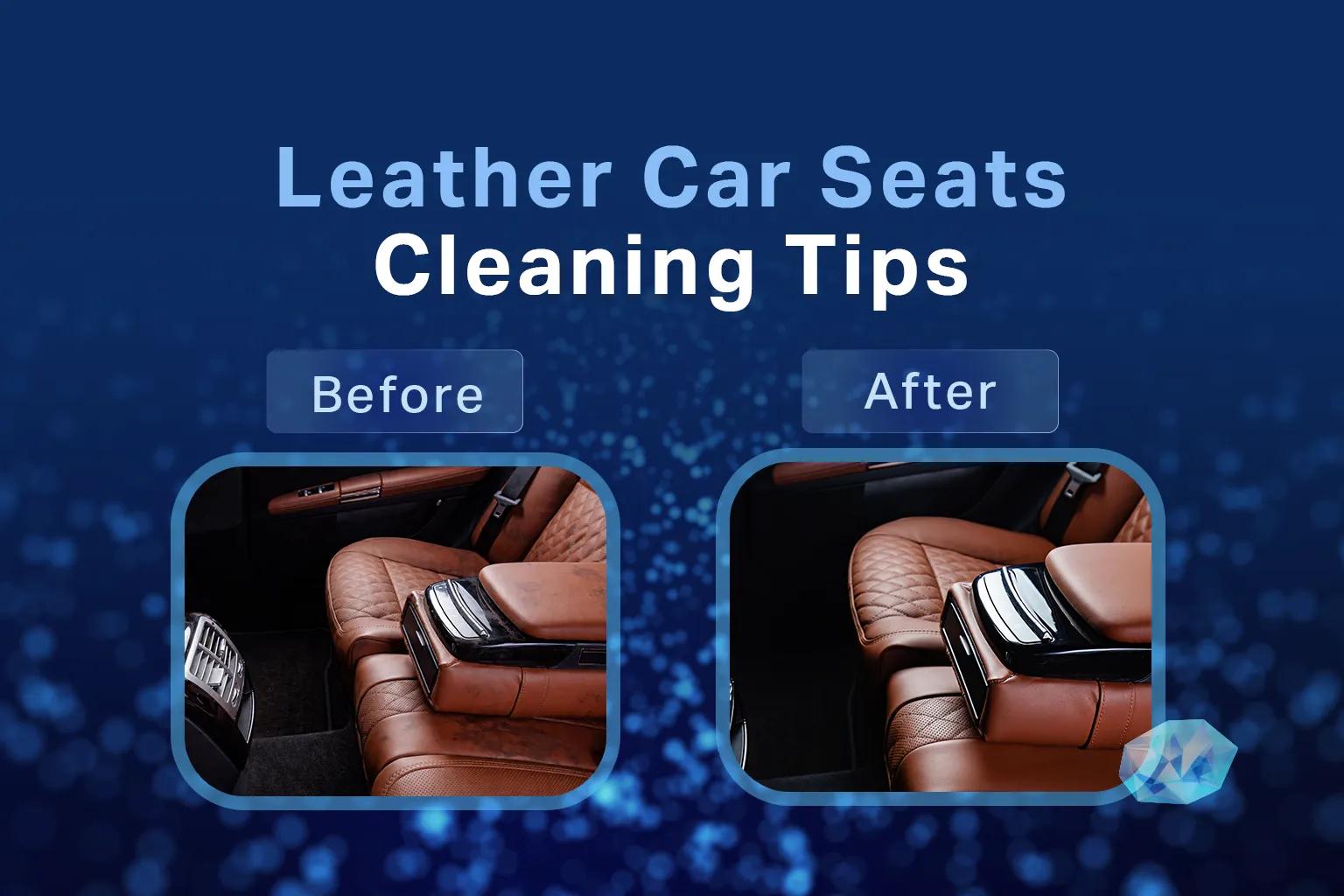
Leather seats are one of those things you don’t fully appreciate… until they start looking worn. At first, they feel smooth and rich. The car smells clean. Everything looks sharp. Then life happens. Coffee spills. Kids climb in with dusty shoes. The sun bakes the interior day after day. And slowly, the seats lose that fresh look.
The good news? Cleaning leather car seats isn’t complicated. It just needs to be done the right way. A little routine care keeps the leather soft, prevents cracking, and protects your car’s value. Ignore it long enough, and you’ll start seeing fading, dryness, and stains that are much harder to fix.
If you’ve been wondering how to clean leather car seats without ruining them, here’s how to do it properly and realistically in everyday life.
Natural vs. Vinyl Leather: Why Cleaning Isn’t One-Size-Fits-All
Before grabbing a cleaner, it helps to know what kind of seats you have.
Natural leather is made from animal hide. It’s breathable, softer, and develops character over time. But it also dries out faster and needs regular conditioning. Without moisture, it cracks.
Vinyl (or synthetic leather) looks similar but is plastic-based. It’s tougher against spills and easier to wipe down. Still, it can stiffen and split if neglected.
When it comes to how to clean leather seats, natural leather needs a gentle, pH-balanced cleaner and consistent conditioning. Vinyl can handle mild soap and water, but aggressive scrubbing or harsh chemicals will still cause damage.
Either way, less is more. Gentle products. Light pressure. Patience.
How to Clean Leather Car Seats Step by Step
Leather doesn’t respond well to rushing. Too much water or the wrong cleaner can cause discoloration. So the goal here is controlled, careful cleaning, nothing dramatic.
Step 1: Vacuum First (Always)
Before anything touches the leather, vacuum it. Use a soft brush attachment and get into the seams. Dirt and crumbs act like sandpaper when you start wiping. This step alone makes a big difference in long-term leather car seat maintenance. Skipping this is where most people go wrong.
Step 2: Use the Right Cleaner
If you're thinking about what to use to clean leather car seats, stick with a pH-balanced automotive leather cleaner. Apply it to a microfiber cloth, not directly onto the seat. Work in soft, circular motions. No soaking. No scrubbing like you’re cleaning tile grout.
For light jobs, a small amount of mild soap mixed with warm water works too. The cloth should be damp, not wet. Excess moisture is one of the fastest ways to damage leather from the inside. That’s really the key to how to clean leather seats in a car safely: control the moisture.
Step 3: Let It Breathe
After wiping the surface, use a clean cloth to remove leftover residue. Then let the seats air dry naturally. No hair dryers. No blasting the heater. Leather dries best slowly.
Step 4: Condition the Leather
This is the part that keeps seats from cracking. Cleaning removes grime, but it also strips some natural oils. A quality leather seat conditioner restores that lost moisture and keeps the material flexible. Without it, seats start to stiffen.
Natural options like a tiny amount of coconut oil can work in emergencies, but it’s easy to overdo it. A proper leather cleaner and conditioner made for car interiors gives more balanced protection without leaving grease behind. Conditioning every couple of months is usually enough for normal use. In hotter climates, more often.
Products That Actually Work (And Ones That Don’t)
Leather is durable, but it’s not invincible. Safe choices for cleaning leather car seats include:
- Automotive leather cleaner
- Microfiber cloths
- Soft detailing brushes
- A dedicated leather conditioner
If you're looking for the best leather cleaner for car seats, the safest bet is something labeled specifically for coated automotive leather.
Some simple DIY methods can help with small messes. A mild soap solution works for light dirt. Baking soda can help remove stains from leather car seats, especially oily spots. A lightly applied natural oil can restore temporary softness, but again, very lightly.
Now, what to avoid?
Bleach and ammonia fade the surface. Rubbing alcohol and acetone strip natural oils fast.
Undiluted vinegar can dry leather out. Many baby wipes contain chemicals that slowly break down the protective layer. Even paper towels can scratch.
When it comes to leather car seat cleaning, harsh chemicals cause more damage than dirt ever will.
How Often Leather Seats Should Be Cleaned
Most people don’t need to deep clean constantly. Light cleaning every few weeks is enough to prevent buildup. Conditioning every two to three months keeps the leather from drying out. But lifestyle matters.
If the car sits in direct sun daily, if pets ride in the back, or if it’s a family vehicle with heavy use, you’ll need to clean more often. Regular care prevents discoloration and cracking before they become visible problems. Consistent attention beats occasional deep scrubbing.
Leather Car Seat Maintenance in California Heat
Heat is tough on leather. Especially in places like California.
High temperatures pull moisture out of the material. Over time, that dryness turns into stiffness, then small cracks. Sun exposure also fades color unevenly.
Leather car seat protection in hot climates should include:
- Parking in shade whenever possible
- Using a windshield sunshade
- Applying conditioner more frequently during summer
- Installing UV-protective window tint
Heat absolutely accelerates wear. Managing sun exposure slows that process down significantly.
Preventing Cracks Before They Start
Cracking usually doesn’t happen overnight. It’s gradual. Dry leather loses flexibility. Then small lines appear. Then splits. Keeping seats clean removes abrasive dirt. Conditioning restores flexibility. Limiting direct sun exposure prevents excessive drying. Those three habits alone dramatically reduce cracking. Spills should be wiped immediately. Dirt should be vacuumed before it settles into seams. Heavy objects shouldn’t drag across the surface. Caring for leather car seats is mostly about small, consistent habits.
When Professional Detailing Makes Sense
Even with good home maintenance, professional leather car seat cleaning once or twice a year makes a difference. Detailers can remove embedded grime and restore a more even finish. For deep stains, heavy discoloration, or early cracking, professional treatment can extend the life of the seats far beyond what DIY cleaning can achieve.
Sometimes it’s just easier and safer to let experts handle it. Leather seats add comfort, style, and value to your car. But they only stay that way with regular care. Cleaning leather car seats gently, conditioning them consistently, and protecting them from heat keeps them looking and feeling right for years. A clean interior changes how your car feels every time you get in. It’s quieter. Fresher. More comfortable.
If your seats need deeper restoration or professional care, reach out to Burbank Car Detail Shop and schedule an interior detailing service. A little attention now keeps your leather looking new much longer.
 /
/ /
/