
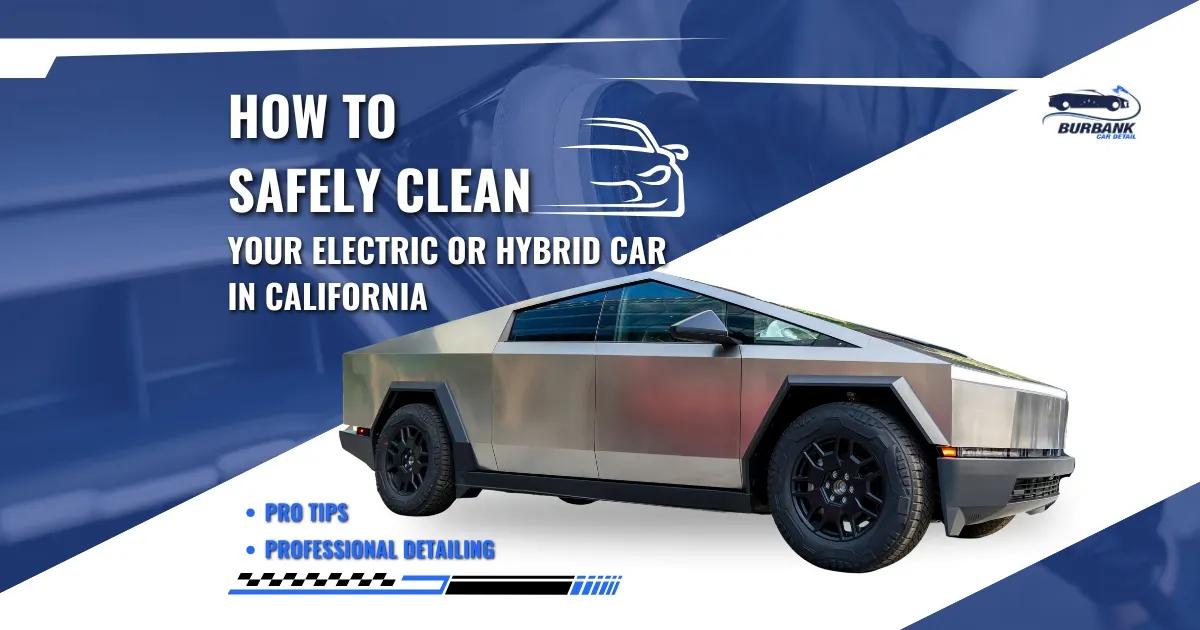
California is leading the way in electric mobility, with over 1.25 million electric vehicles on the road. From Teslas to hybrids like the Prius, EVs are becoming a common sight. But while these cars are advanced and durable, they’re built differently from traditional vehicles, which means they need a slightly different approach to cleaning.
If you’ve ever wondered how you wash an electric car or whether it’s safe to treat it like a regular vehicle, you’re not alone. The truth is, EVs are designed to handle water, but their sensors, electronics, and battery systems require extra care.
California’s climate makes these precautions even more important. Intense sunlight, heat, dust, and coastal air can quickly lead to faded paint, interior damage, and buildup around sensitive areas like charging ports. That’s why knowing how to wash an EV car properly isn’t just about looks; it’s about protecting your investment.
How to Prepare and Safely Wash Your Electric Vehicle
Before you start, preparation is key. Most modern EVs include something called "Car Wash Mode." If you’ve ever asked if an electric car can go through a car wash, the answer is yes, but only when thoroughly prepared. Car wash mode disables automatic features like wipers, locks the charging port, folds mirrors, and prevents unexpected alerts. For example, if you’re wondering how to put Tesla in car wash mode, you can simply go to Controls → Service → Car Wash Mode. It’s quick and makes the process much safer.
So, can you take an EV through a car wash? Yes, but touchless or soft-touch washes are always the safer option. EVs are waterproof by design, but that doesn’t mean careless washing won’t cause issues. High-pressure water aimed directly at sensors, cameras, or charging ports can still create problems. If you’re thinking, “Can I wash my EV the same way I clean a regular car?” the answer is mostly yes, but with more caution.
Stick to gentle soap, microfiber mitts, and controlled water pressure. This is especially important if you’re asking if it's safe to jet wash an electric car; it can be, but only if you avoid sensitive areas. Also, keep in mind that washing alone won’t fix deeper issues like swirl marks or fading. That’s where electric vehicle detailing comes in. Professional polishing and protective coatings go beyond basic cleaning and help preserve your car’s finish long-term.
How to Safely Clean the Charging Port and Sensors
Your charging port is one of the most critical components of your EV. Even small amounts of dirt or moisture can interfere with charging performance. Cleaning it doesn’t need to be complicated. A soft, slightly damp microfiber cloth is usually enough. Avoid harsh chemicals completely, and always make sure the port is fully dry before plugging in again. You don’t need to clean it frequently, just a few times a year, unless you regularly drive through dust, mud, or coastal environments. Sensors and cameras also need gentle care. These systems are essential for safety features, so keeping them clean ensures your car functions properly.
Hidden Zones, Hidden Risks: Wheels, Undercarriage and Secret Spots
When people think about how to wash electric car exteriors, they often focus on visible surfaces. But the real trouble spots are usually hidden. Wheels, undercarriage areas, and trim edges collect brake dust, dirt, and road debris. Over time, this buildup can lead to corrosion, reduced efficiency, and even damage to components. Cleaning wheels is about more than appearance; it helps maintain braking performance and protects sensitive parts. Use soft brushes and pH-balanced cleaners, and avoid spraying high-pressure water near battery housings. These small habits go a long way in preserving your EV’s condition.
Inside the Cabin: Protecting Screens, Seats and Eco Materials
EV interiors are modern and minimal, but also more delicate. Materials like vegan leather, soft-touch plastics, and large touchscreens require careful handling. If you’ve searched how to clean a Tesla interior or the best way to clean Tesla interior, the answer is simple: keep it gentle. Use microfiber cloths and alcohol-free, pH-neutral cleaners. Never spray directly onto screens; always apply cleaner to the cloth first.
Seats, especially in Teslas, need special care. If you’re wondering how to clean Tesla seats or even how to clean Tesla white seats, the key is using non-abrasive cleaners and wiping regularly to prevent staining. In California, UV exposure is a major concern. Window tinting isn’t just aesthetic; it protects your interior from fading, cracking, and discoloration over time.
What Specific Care Electric Brands Need During Detailing
Each EV brand has unique materials and design features, which means cleaning methods can vary. California’s sun, dust, and coastal conditions make proper care even more important.
Tesla
Tesla models, including Model 3, Model X, and Model Y, feature large glass roofs with special coatings. These surfaces can scratch easily, so never dry-wipe them. Always use ammonia-free glass cleaner and a soft microfiber cloth. If you’re looking for the best way to wash a Tesla, gentle hand washing is ideal. Tesla interiors use synthetic leather, which requires careful maintenance. Regular cleaning helps prevent wear, especially for lighter-colored seats. Also, Tesla Model X owners should be careful not to spray high-pressure water directly at sensors or cameras.
The Cybertruck is a completely different case. If you’re searching for how to clean Cybertruck or considering a full Tesla Cybertruck detail, keep in mind its stainless-steel body shows fingerprints and water spots easily. A microfiber cloth with a 50/50 mix of water and isopropyl alcohol works best.
BMW
BMW’s electric models like the iX and i4 feature premium finishes that require extra care. Many owners avoid automatic washes altogether. Before washing, fold mirrors, disable automatic wipers, and set the car to neutral. Sensors may activate during washing; this is normal. If you’re wondering how to put screen wash in a BMW iX, it’s similar to traditional models but always uses manufacturer-approved fluids.
Toyota EVs
Toyota’s hybrid and EV lineup includes models like Prius, RAV4 Hybrid, and bZ4X. Some Prius owners notice that automatic washes can trigger sensors or alerts, so gentle hand washing is often preferred. This makes Toyota Prius cleaning more about precision than speed. Toyota vehicles also require maintenance of airflow systems. For example, Toyota hybrid battery filter cleaning is important to prevent overheating. Similarly, tasks like Toyota mass air flow sensor cleaning and even Toyota Prius EGR cleaning help maintain performance over time.
Honda
Honda’s EV models, including the Prologue, combine modern tech with traditional reliability. Following Honda recommended maintenance is key to keeping everything in top condition. The Prologue’s wheels and low-profile tires tend to collect more grime, so regular cleaning is important. Always turn off rain-sensing wipers before washing.
Ford
Ford’s EV lineup, including the Mustang Mach-E and F-150 Lightning, brings some unique features. Unlike most EVs, these models have washable front trunks (frunks) with drainage systems. However, charging ports and electronics still require careful handling.
Kia
Kia EV6 and Niro EV models feature aerodynamic designs and sensitive materials. Dirt can accumulate in underbody panels, affecting cooling, so thorough rinsing is important. The Niro EV’s vegan leather interiors should only be cleaned with water-based products.
Hyundai
Hyundai Ioniq 5 and 6 models include panoramic glass roofs with special coatings. Use only soft microfiber cloths and ammonia-free cleaners. Their interior design includes hidden gaps where dust collects, so regular vacuuming is essential.
Nissan
Nissan Leaf models have unique features like solar panel spoilers and narrow drainage channels. These require careful cleaning to avoid clogging and maintain functionality of Nissan Leaf.
Cleaning an EV in California isn’t complicated, but it does require the right approach. Whether you’re figuring out how to wash electric car surfaces or wondering if an electric car can go through a carwash, or deciding between DIY and electric vehicle detailing, the key is understanding your vehicle’s unique needs. With the right techniques, gentle products, and attention to detail, you can keep your electric or hybrid car looking and performing like new no matter how harsh the California environment gets. When a simple wash isn’t enough, professional detailing ensures your EV gets the protection it truly deserves.
 /
/ /
/