
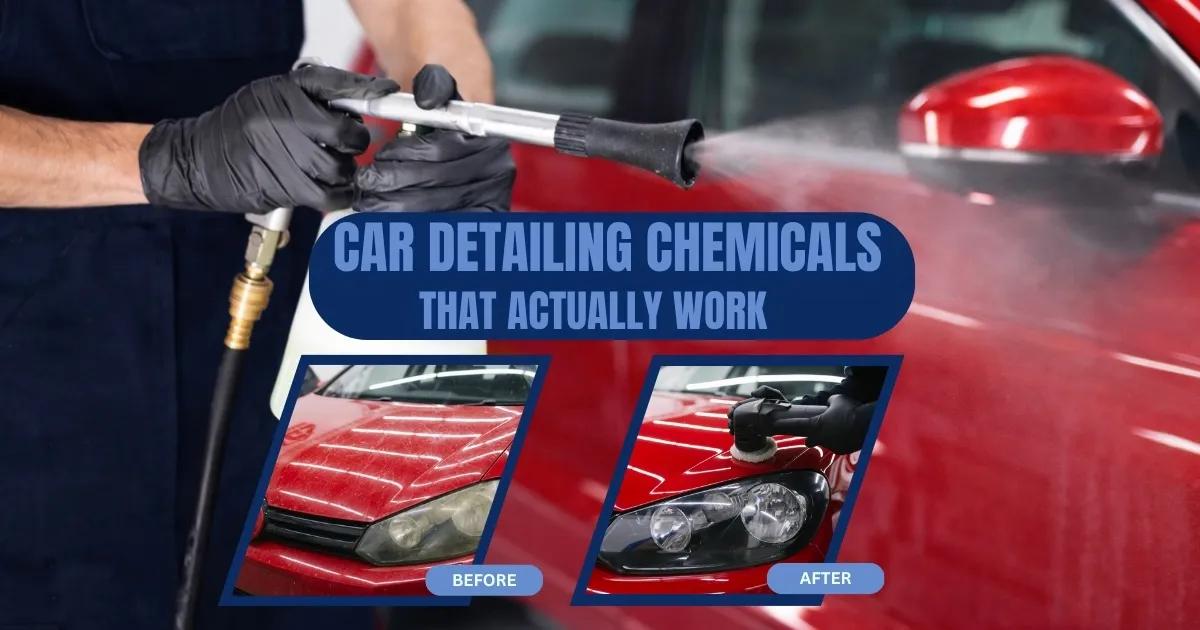
Most people think detailing is just a better version of a car wash. It’s not. Not even close. A proper detail is more like a reset. You’re stripping away everything that’s built up dirt, oils, brake dust, and oxidation and bringing the surfaces back to life. That kind of transformation doesn’t happen with one product or a quick rinse.
It comes from using the right auto detailing chemicals in the right order for the right purpose. And yeah, people ask all the time, "What chemicals do you actually need for car detailing?" The answer isn’t one thing. It’s a system. Each product plays a role, and when they work together, that’s when you get that real before-and-after difference.
Why the Right Auto Detailing Chemicals Matter
It’s easy to underestimate this part. You grab a random car wash soap, maybe a spray, maybe something labeled “all-purpose,” and assume it’ll handle everything. Sometimes it looks fine… until it doesn’t.
Every surface on a car reacts differently. Paint, plastic, leather and glass: they all need specific care. That’s where chemistry comes in. The balance of acids, alkalines, surfactants, and solvents determines whether a product safely cleans or slowly causes damage.
Those are actually the five major types of cleaning agents used across auto detailing chemicals: surfactants, solvents, acids, alkalines, and chelating agents. Each one targets something different. Mix them up or misuse them, and you’ll see it in the finish. And yes, professional car detailing chemicals make a difference. They’re stronger, more precise, and designed for results, not convenience. Used properly, they improve gloss, extend durability, and protect your surfaces instead of wearing them down.
Pre-Wash, Car Shampoo, and Getting the Surface Right First
This is where everything starts. And honestly, where most mistakes happen. People skip the pre-wash, go straight in with a mitt, and end up dragging dirt across the paint. That’s how swirl marks happen. A proper pre-wash loosens debris before you touch the surface. Then comes a quality car shampoo or car wash soap to safely remove what’s left.
Before: Dusty, slightly rough paint with visible grime
After: Clean, smooth surface that’s actually ready for detailing
Surfactants Doing the Heavy Lifting
The real work in any car shampoo comes from surfactants. They break the bond between dirt and the surface, lift it, and trap it so it rinses away instead of scratching the paint.
pH-Neutral Foam (Why It Matters More Than It Seems)
A good foam pre-wash isn’t just for looks. It softens and loosens contamination while protecting existing layers of car paint protection. If your car already has wax or sealant, a pH-balanced formula keeps it intact.
Lubrication and Water Quality
This part doesn’t get talked about enough. Lubricants reduce friction while washing, which means fewer micro-scratches. And if you’re dealing with hard water, adding water softeners helps prevent spotting something that can ruin an otherwise clean finish.
Degreasers and All-Purpose Cleaners for the Tough Stuff
At some point, you hit grime that regular washing won’t touch. That sticky, dark buildup around the wheels. Grease in the engine bay. Residue in door jambs. That’s where degreasers and APCs come in as core car detailing chemicals for deeper cleaning.
Before: Oily, uneven buildup that won’t rinse off
After: Clean surface with no residue left behind
You’ll see these used across both exterior and interior jobs. In fact, when people ask what a full detail should include, this is part of it getting into those neglected areas, not just the obvious ones.
Solvent-Based Cleaners
Solvent-based cleaners are designed to break down oil and grease quickly at a molecular level. Some rely on petroleum-based formulas, while others use citrus-derived ingredients for a more balanced approach. Either way, they dissolve buildup instead of just spreading it around, making it much easier to rinse everything off cleanly and leave the surface truly residue-free.
Emulsifiers (What Actually Clears the Surface)
Once grease and grime are broken down, emulsifiers help suspend them in water so they rinse away completely. This prevents streaks, residue, or patchy spots, leaving the surface clean, smooth, and ready for the next step in detailing.
Iron Removers and Fallout Cleaners (The Step You Don’t See, But Feel)
Here’s something a lot of people miss. Even after a full wash, your paint can still feel rough. That’s because of embedded contaminants, mostly iron particles from brake dust. Iron removers handle that.
Before: Paint feels slightly gritty, even when clean
After: Smooth, glass-like surface
Chelating Agents
Chelating agents react with iron particles embedded in the paint and break them down so they can be safely rinsed away. This is the chemical process that removes contamination you can’t see but can often feel on the surface. That purple “bleeding” effect you sometimes notice during detailing is the reaction in action; it’s a clear sign the product is working and pulling those particles out of the paint.
Corrosion Inhibitors
Corrosion inhibitors protect paint, metal trim, and wheels while strong cleaners do their job. They prevent oxidation and damage, letting you safely remove tough contaminants without harming the surface. This extra layer of protection ensures your car stays looking flawless even after heavy-duty cleaning.
Compounds and Polishes Where the Real Change Happens
This is the step where people usually stop and go, okay… Now I see it. Up until now, you’ve been cleaning. Here, you’re correcting. Swirls, scratches, and oxidation: this is where they get removed.
Before: Dull paint, light scratches visible in sunlight
After: Clear reflections, deeper color, noticeable gloss
Compounds handle the heavier defects. Polishes refine the finish. Some abrasives break down as you work them, smoothing the surface gradually. Others stay consistent and cut more aggressively. Either way, this is where the car starts to look like it’s been taken care of again.
Waxes, Sealants, Ceramic Coatings and Long-Term Protection
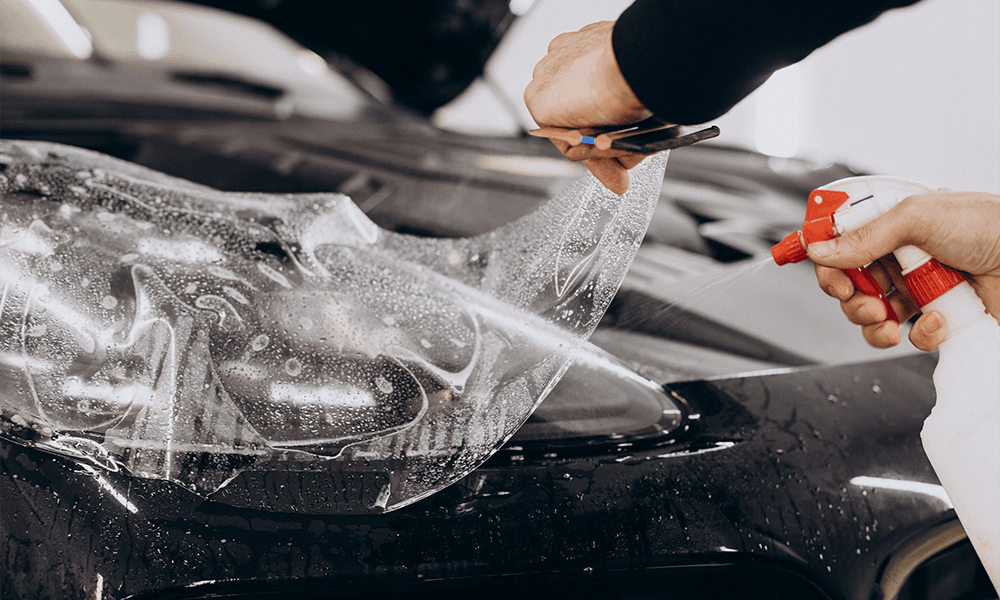
After paint correction, protection is essential. Waxes, sealants, and ceramic coatings lock in shine, guard against UV rays, dirt, and contaminants, and make future cleaning easier, keeping your car looking its best for months or even years.
Before: Bare paint, exposed to elements
After: Protected surface with shine and water resistance
Natural Waxes
Carnauba-based natural wax gives your paint a rich, warm glow that really stands out in sunlight. It may not last as long as synthetic sealants, but the depth and warmth of the shine are hard to match, giving your car that classic, polished look that catches the eye.
Synthetic Sealants
Synthetic sealants use polymers to create a durable, long-lasting protective layer on your paint. They resist UV, dirt, and contaminants better than wax and add a glossy, polished look. Low-maintenance and long-lasting, they’re perfect for keeping your car protected without constant reapplication.
Ceramic Coatings (SiO₂-Based)
This is where things get more advanced. Ceramic coatings (SiO₂-based) bond to the surface and create a long-lasting layer that repels water and contaminants. If you’re serious about car exterior detailing products and long-term car paint protection, this is usually the direction people go.
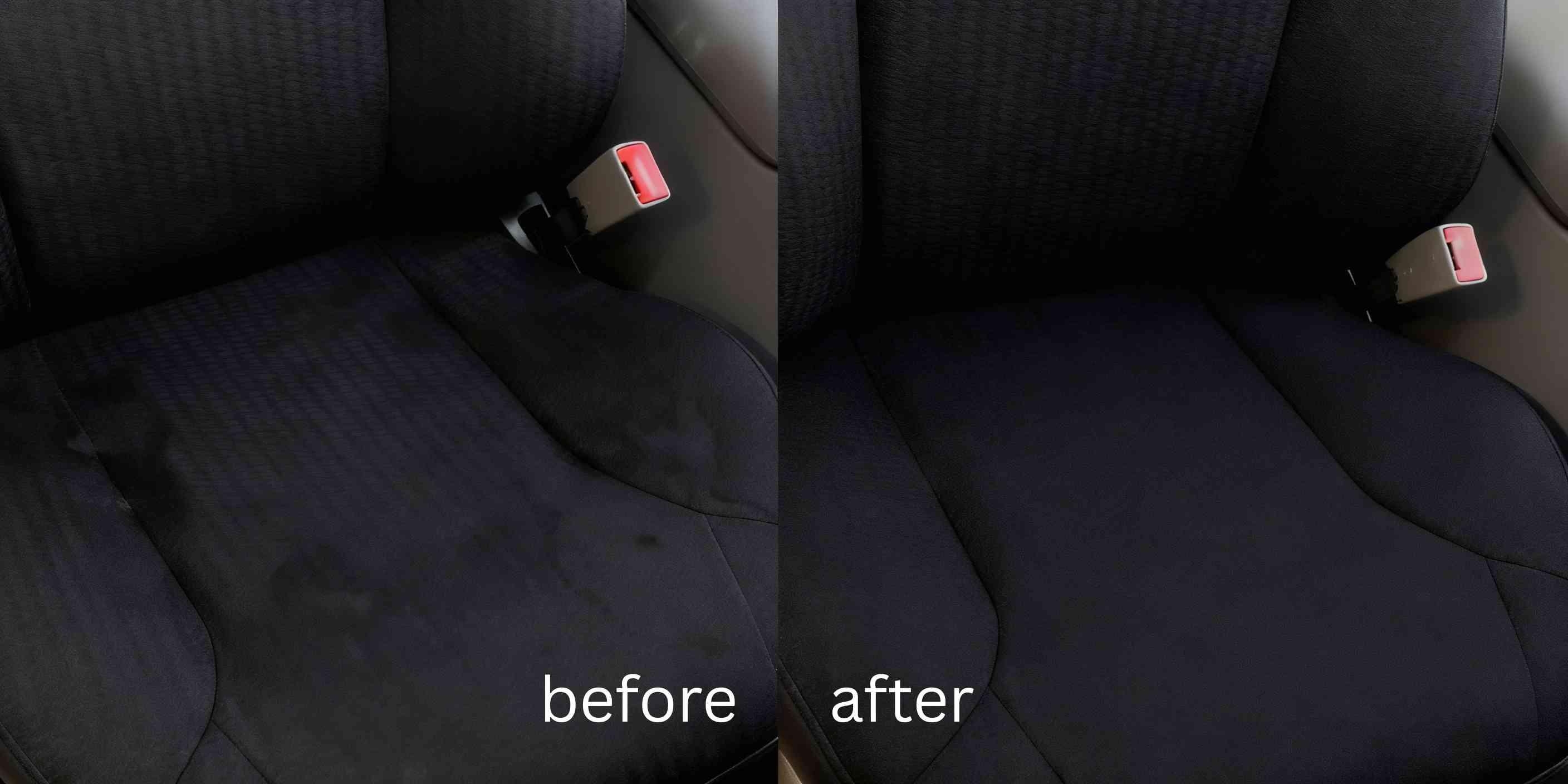
Along the way, you’re not just working on the exterior either. A full detail also covers the inside using a proper car interior cleaner and a leather cleaner for cars where needed, finishing with a car detailing spray for that clean, fresh look. Add in a solid car glass cleaner and even tire-shine products, and now the whole vehicle matches the exterior transformation. That’s really what a full detail includes: not just one area, but everything working together.
Detailing isn’t complicated but it is specific. There’s an order to it. A reason behind every step. And when you follow that structure using the right auto detailing chemicals, the results are hard to ignore. You get a cleaner surface, sure. But more than that you get clarity, depth and protection.
The car looks better, lasts longer, and holds its value. If you’re doing it yourself, the key is using the right products and not rushing the process. And if you’d rather skip the guesswork, working with professionals makes a difference. At Burbank Car Detail, we use professional car detailing chemicals and proven methods to deliver real before-and-after results with no shortcuts and no quick fixes. Because a proper detail doesn’t just clean your car. It brings it back. Call us today at (818) 230-2333 for expert detailing and lasting results.
 /
/ /
/