
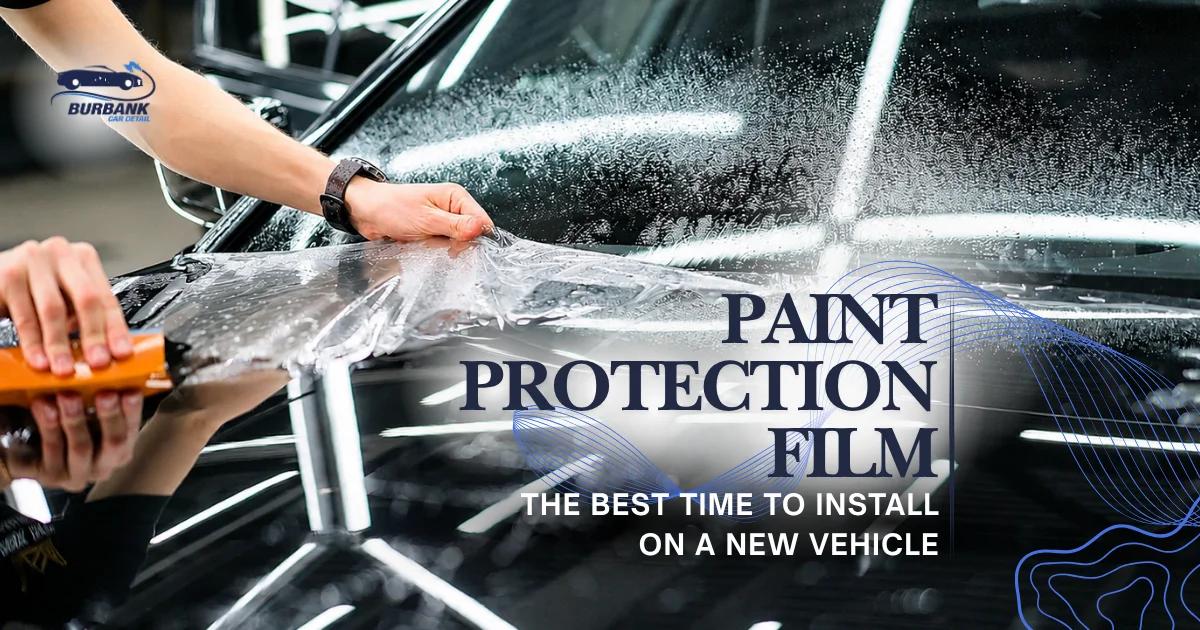
Most people don't start thinking about paint protection until they notice the first rock chip. Or the scratch that somehow appeared in a parking lot. Or the cluster of tiny marks across the front bumper after a road trip. The problem is that once the damage is there, you're already playing catch-up. That's why many detailers and paint protection specialists recommend installing paint protection film before the damage happens, not after. PPF is a transparent urethane film designed to shield factory paint from road debris, bug splatter, gravel, minor scratches, and everyday wear. When applied early, it acts as a barrier between your vehicle's paint and everything the road throws at it. Timing matters more than many people realize. Clean, undamaged paint gives installers the best possible surface to work with, allowing the film to bond properly and look nearly invisible once installed. If you're buying a new vehicle or considering protection for one you already own, here's what you should know about paint protection film installation, when to schedule it, and how it compares to ceramic coating.
Why Install PPF on a New Vehicle?
A new vehicle is basically the ideal candidate for paint protection film. The paint is fresh. There are usually no rock chips, swirl marks, oxidation issues, or years of accumulated contamination to deal with. That gives the film a clean surface to adhere to and helps deliver the best possible appearance. One of the easiest ways to think about PPF on car surfaces is to compare it to a phone case. Most people don't wait until they crack their phone screen before adding protection. They install the case first because preventing damage is easier than repairing it later. The same idea applies here.
A quality clear paint protection film absorbs impacts that would otherwise hit the paint directly. Small stones, road debris, bug residue, and light scratches often affect the film instead of the factory finish underneath. Many modern films also feature self-healing technology. Minor surface marks can gradually disappear when exposed to heat from sunlight or warm water, helping the film maintain a smoother appearance over time. For owners planning to keep their vehicle for several years, automotive paint protection can also help preserve appearance and potentially support resale value by keeping the original paint in better condition.
PPF vs. Ceramic Coating: What's the Difference?
One of the most common misconceptions in vehicle protection is that ceramic coating and paint protection film are competing products. They really aren't. When discussing PPF vs ceramic coating, it's helpful to think about what each product is designed to do. Paint protection film provides physical protection. It absorbs impacts and creates a sacrificial layer between the paint and the outside world. A ceramic coating, on the other hand, focuses more on environmental protection. It helps repel water, reduces contamination buildup, improves gloss, and provides some defense against UV exposure. What it does not do particularly well is stop a rock traveling at highway speed. That's where PPF has the advantage. Many owners ultimately choose both. The film handles impact protection while the ceramic coating adds gloss and makes maintenance easier. Together, they create a more complete automotive paint protection strategy than either product alone.
When Is the Best Time to Install Paint Protection Film?
If you're buying a new vehicle, the best time for paint protection film installation is usually within the first few days of ownership. Ideally, the film is installed before the vehicle accumulates meaningful road damage. Every mile driven creates opportunities for chips, scratches, and contamination to affect the paint. Early installation helps preserve the factory finish exactly as it left the dealership. That's one reason new car paint protection has become increasingly popular. Owners want to protect the paint while it's still in excellent condition instead of correcting damage later. That said, waiting a few weeks or even a few months doesn't mean you've missed your opportunity. PPF can still be installed successfully on older vehicles. The difference is that additional preparation may be required before installation.
Installing PPF Before Leaving the Dealership
Some vehicle owners arrange paint protection almost immediately after purchase. In some cases, they schedule installation before they even pick up the vehicle. This approach minimizes exposure to road debris and helps protect vulnerable areas like the hood, front bumper, headlights, mirrors, and fenders before regular driving begins. For high-value vehicles, performance cars, luxury SUVs, and trucks that spend significant time on highways, this timing often makes the most sense.
What If the Vehicle Is Already a Few Months Old?
It happens all the time.A vehicle owner buys a new car, plans to get protection later, and suddenly six months have passed. Fortunately, that's not a problem. The vehicle may simply need additional preparation before the PPF installation begins. Professional installers often perform washing, decontamination, clay bar treatment, and sometimes paint correction to remove imperfections before applying the film. The goal is simple: make the paint look its best before sealing it beneath the protection layer.
Factors That Affect PPF Installation Timing
The condition of the vehicle matters, but so does the installation environment. Temperature and humidity can influence how the film behaves during installation. Most professional shops work indoors where conditions can be controlled and contaminants are kept away from the vehicle. Preparation is another major factor. The cleaner the paint, the better the final result tends to be. Dust, dirt, oils, and contamination can interfere with adhesion and affect the film's appearance. It's also worth avoiding installation immediately before a major road trip. Newly installed film benefits from a short curing period, and giving it time to settle properly can help ensure the best long-term results.
What Happens During a Paint Protection Film Installation?
For many vehicle owners, the process is more detailed than expected. The vehicle is first washed and thoroughly cleaned to remove dirt, wax, and contamination. The paint is then inspected and prepared before the film is carefully positioned on each panel. Once aligned, installers use specialized solutions and squeegees to remove moisture and ensure proper adhesion. The film is stretched and adjusted around curves, edges, and body lines until it fits precisely. This is one reason professional installation is highly recommended. Modern vehicles have complex shapes, and even small mistakes can become visible once the film dries. The quality of the installation often matters just as much as the quality of the film itself.
How Long Does PPF Installation Take?
There's no single answer because every vehicle and coverage package is different. A partial front-end package typically takes less time than full front protection, while complete vehicle coverage naturally requires the most labor. Most installations take anywhere from one day to several days depending on the vehicle size, coverage level, and preparation requirements. While it can be tempting to look for the fastest option, rushing paint protection film installation rarely benefits the final result. Proper preparation, careful installation, and adequate curing time all contribute to how well the film performs over the years ahead.
The best time to install paint protection film is before your vehicle's paint has a chance to collect chips, scratches, and road damage. For most owners, that means scheduling protection as soon as possible after purchase. Early installation helps preserve factory paint, maintain appearance, and reduce the need for future paint correction work.While ceramic coatings provide excellent gloss and environmental protection, they don't offer the same impact resistance as PPF on car surfaces. That's why many owners view PPF as the foundation of a long-term new car paint protection plan. If you've recently purchased a new car, truck, or SUV and want to keep it looking its best for years to come, professional paint protection film installation from Burbank Car Detail can help protect the finish before everyday driving has a chance to leave its mark.
 /
/ /
/