
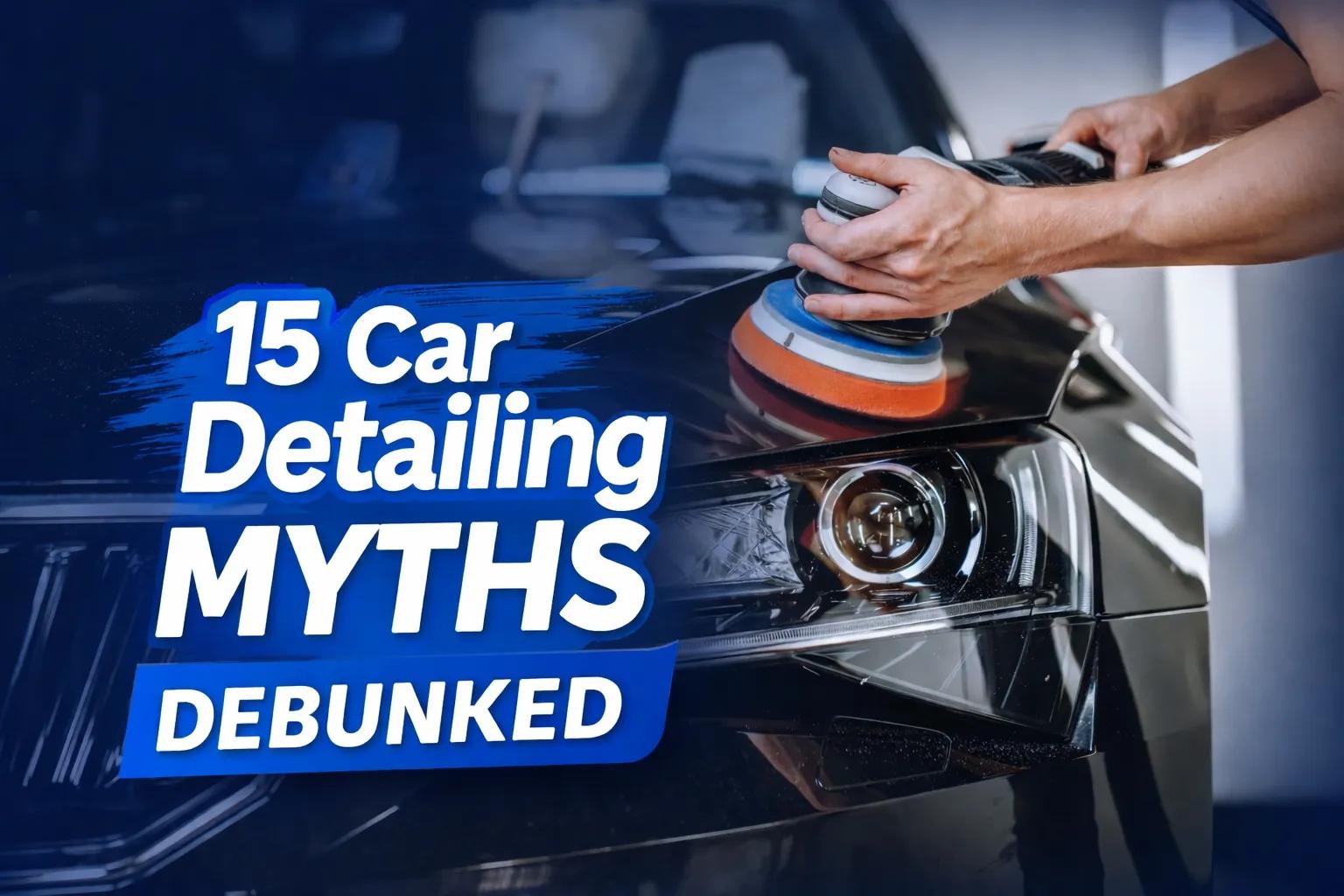
They say “Do not judge a book by its cover.” However, when it comes to your car, first impressions really matter. So what is detailing a car and how does it help protect your vehicle's value? A professional car detailing service goes beyond a regular car wash. Here you will get a full package of services like cleaning, protection and restoring every part of the vehicle. Additionally, it involves paint protection, engine bay cleaning, deep interior care and upholstery restoration. While standard car wash just rinses and scrubs the surface and might add a layer of wax.
When it comes to car maintenance, disinformation goes really fast. Car owners gather information from different sources like social media tips, DIY videos and advice from friends; all of these can damage your car paint, reduce your car’s value and waste money on unnecessary products.
The main reason behind why car detailing myths spread is the fact that people do not always distinguish between simple car wash and professional detailing. Understanding where these myths come from is the first step in protecting your car and making informed detailing decisions. This is exactly why we have prepared a list of 15 common car detailing myths, so you can separate fact from fiction and keep your vehicle in top shape.
Myth 1: Waxing Your Car Once a Year is Enough
The Truth: Does car wax protect paint? Yes, definitely. Generally, car wax lasts from 4 to 8 weeks, based on different factors like climate, driving frequency and how often the vehicle is washed. So, regular waxing is essential for keeping your car’s paint protected and shiny.
Where the Myth Comes From: This myth likely comes from outdated recommendations. Maybe some drivers may have experienced longer-lasting effects with certain wax products under specific conditions causing people to think that annual waxing suffices. However, such experiences are exceptions rather than the rule.
Why It Matters: If you don't wax your car often, the paint can get damaged by UV rays, the environment and oxidation, which can make the automobile look poorer and less valuable.
Pro Tip: To keep your car in great shape, it is better to consider waxing every 6 to 8 weeks, especially if it's exposed to harsh weather conditions or frequent driving. So the question "How long does car wax last?" does not have a universal answer; it really depends on different factors.
Myth 2: Ceramic Coating Makes Your Car Bulletproof
The Truth: While ceramic coating provides solid protection, it does not make your car invincible. Consider it a protective shield for your paint not a shield against scratches or dents. Ceramic protects against water beading, UV exposure and makes cleaning easier, keeping your car looking newer for longer.
Where the Myth Comes From: Many automobile lovers don't realize how much ceramic coating can help. They think it can prevent all damage, but in reality, it only improves surface protection and can't replace careful driving or regular maintenance.
Why It Matters: Believing one of many ceramic coating myths might cause problems. For example, some buyers may neglect regular maintenance because they think their car is completely safe. Knowing the limitations of ceramic coatings helps to protect the value and safety of your car.
Pro Tip: To get the most out of your ceramic coating, avoid using abrasive chemicals and wash your car frequently using a pH-neutral shampoo. This ensures that the coating lasts longer and preserves your car's sparkling appearance.
Myth 3: Dish Soap is Fine For Washing Your Car
The Truth: Dish soap is among the worst things you can use on your car's paint, despite the fact that it could appear like the simplest and least expensive cleaning solution. Dish soap removes the protective wax layers and damages your paint because it is designed to eliminate tough oils and residues. This may eventually result in fading, oxidation and a faded finish along the course of time.
Where the Myth Comes From: This myth probably came from DIY car cleaners who believe that if dish soap works on kitchen grease, it can also fight against dirt and grime. Meanwhile, what is great for dishes can damage delicate automotive finishes.
Why it matters: As a rule, professional detailers use pH-neutral car shampoos for removing dirt without damaging your car’s wax or paint protection. Using the right products maintain your car’s surface clean, glossy and protected for the long run.
Pro Tip: Always wash your car in the shade and use two buckets: one for soapy water and one for rinsing your mitt. It will help prevent marks and helps your pH-balanced shampoo work its magic safely.
Myth 4: All Scratches Can Be Removed
The Truth: It's a commonly accepted fact that any scratch from a car's surface can be polished, but the truth tells a different story. Only light, surface level scratches, those that have not cut through the clear coat, can be puffed or polished. But deep scratches always damage the paint layers and may require touch-up paint, professional repair or even panel refinishing to recover the surface.
Where the Myth Comes From: This myth mainly comes from different DIY detailing videos and product ads that promise easy scratch removal. While there are several products that can temporarily hide light marks, they can’t fix deep damage beneath the clear coat.
Why It Matters: Remember that all the attempts to polish deep scratches on your own can make the situation worse by thinning out your car’s clear coat.
Pro Tip: To check how deep a scratch is, you can run your fingernail lightly over it; if your nail catches, it means that the scratch is too deep for polishing and needs professional help.
Myth 5: A Shiny Car Means It’s Clean
The Truth: Shine does not always indicate that your car is clean. In actuality, surface shine can hide grime, bound pollutants or embedded brake dust that ordinary cleaning cannot remove. These concealed impurities can damage your paint, causing swirl marks, scratches and dulling over time.
Where the Myth Comes From: Most people assume their car is completely clean if it looks shiny after being washed. In contrast, high-quality detailing penetrates deeper to preserve and protect the car's finish, and shine is merely cosmetic.
Why It Matters: Remember that professional detailing is not just about appearance, It's mostly about decontamination processes, like clay bar treatment, to get rid of embedded contaminants and ensure your paint is smooth, clean and ready for protection products.
Pro Tip: Run your hand over the car’s surface after washing it. If it feels rough or gritty, your paint still has contaminants that need attention.
Myth 6: More Wax Layers = More Protection
The Truth: Most people who own cars think that putting on more layers of wax will protect their car better. But after two layers, adding more wax doesn't make things better and can potentially make things worse by making the surface of the automobile look hazy or streaky.
Where the Myth Comes From: This myth mostly comes from the belief more is better which is widely used when it comes to car care products. Of course, wax can really protect paint and enhance shine. However, overapplication can cause the opposite effect.
Why It Matters: Applying too much wax will result in your car looking cloudy and can interfere with future protective detailing products.
Pro Tip: For best results just stick one or two layers and always use a microfiber applicator and towel to avoid streaks or haze.
Myth 7: Interior Detailing is Only For Dirty Cars
The Truth: Interior detailing service is not just for cars that look unclean. Even those cars that are regularly vacuumed and wiped down benefit from professional interior detailing. The main purpose of this service is maintaining hygiene, improving air quality and enhancing comfort of the passengers.
Where the Myth Comes From: Most people think that a visually clean car does not need extra care. Meanwhile in reality, dust, allergens, bacteria and hidden debris build up over time even in well-kept cars.
Why It Matters: Periodical interior detailing prevents long term wear, keeps upholstery and surface in good condition and provides a healthier, and more comfortable driving experience.
Pro Tip: Periodical interior detailing at least once or twice a year, and pay extra attention to high-touch areas like steering wheels, door handles, and air vents.
Myth 8: Detailing is Just a Luxury
The Truth: It's a frequent misperception that luxury automobile owners are the only ones who appreciate car detailing. In reality, though, it is a crucial kind of preventive maintenance. Detailing guards against long-term damage and preserves paint and interior materials.
Where the Myth Comes From: High-detailing services that market themselves as premium experiences are the source of this misperception. Although detailing may occasionally seem like a luxury, it's actually a wise strategy to preserve the value and condition of your vehicle.
Why It Matters: In reality, professional detailing is not just about aesthetics, it's more about preventing wear and tear of the car that may become a reason for costly repair.
Pro Tip: Treat detailing as routine vehicle maintenance, just like oil changes or tire rotations. Remember, a well-maintained car retains value and lasts longer, saving you money in the long run.
Myth 9: Car Detailing is Just the Same as Cleaning
The Truth: Most people believe that auto detailing and cleaning produce identical outcomes, and that car detailing is a waste of money. However, detailing extends much beyond a mere wash. Regular cleaning only removes apparent dirt and dust, whereas detailing entails a series of actions to restore, protect and improve the appearance of your vehicle.
Where the Myth Comes From: This misconception definitely comes from the belief that both services make your car look clean. But detailing involves additional procedures like paint correction, deep interior care, protective coatings and special attention to details, that simple cleaning does not include.
Why It Matters: By understanding the difference will help you consider detailing as an investment, not an unnecessary expense. Regular detailing keeps your look and feel new by protecting its surface from wear and ensures its long term value.
Pro Tip: If you want your car to really shine and stay protected, you should differ regular cleaning from professional detailing. A successful combination of both services will allow your car to look clean and protected.
Myth 10: You Can Use the Same Towel For Every Part of the Car
The Truth: Most people think that one towel can handle both wiping the paint and cleaning wheels and glass. But, in reality, using the same towel for all surfaces can lead to damaging your car. The reason is that cross-contamination from dirty or gritty towels can scratch your paint by leaving streaks on glass and spreading grime from one place to another.
Where the Myth Comes From: For most people it is easier to take one tower for the whole job. However, different parts of your car collect different types of dirt, and combining them can seriously damage your car finish.
Why It Matters: Professional detailers always know that clean tools provide clean results. Keeping separate towels for each surface will allow you to prevent scratches, swirls and residue buildup.
Pro Tip: Assign several colors to your microfiber towels: one for paint, glass, wheels and interiors. It's a simple method of maintaining organization while preventing expensive paint or surface damage.
Myth 11: New Cars Don’t Need Detailing
The Truth: Most people think that a brand new car does not need detailing, but in reality, even a new car can have unseen imperfections like transport grime and dust or dealership wax that provides short term protection.
Where the Myth Comes From: This myth likely comes from the belief that new is perfect. However, during transporting and storage cars are exposed to environmental contaminants and handling marks but damage paint’s surface.
Why It Matters: Right after purchase, professional detailers remove contaminants, correct minor imperfections and add long lasting protection. These services not only enhance shine but also protect your new car’s finish for years.
Pro Tip: A professional detail should be scheduled during the first month of your new vehicle's ownership. It's the most effective method to preserve that showroom appearance and lay a solid basis for upkeep in the future.
Myth 12: All Detailing Shops Offer the Same Quality
The Truth: Not all detailing services are equal and provide high-quality services. While they can promise similar services, but the quality of provided service may drastically differ. In most cases it depends on technical experience, tools, techniques and products used. A skilled detailer with professional products can get better results than one using cheap products or rushed methods.
Where the Myth Comes From: This misunderstanding originates from the belief that "a wash is a wash." A lot of people think that if two shops charge for detailing, they'll get the identical results, but that's not true at all.
Why It Matters: Picking the wrong shop might lead to uneven polishing, paint damage or money squandered on bad service. A good shop, on the other hand, will take good care of your automobile and make sure it lasts and looks great.
Pro Tip: Before booking a professional detailing service, conduct a research by reviewing different companies and asking people who have recently used car detail services; that’s how you know your car is in good hands.
Myth 13: Engine Cleaning is Dangerous
The Truth: Many car owners avoid cleaning their engine bays because they are concerned that it would damage electrical components or cause costly repairs. However, when done correctly, engine cleaning is completely safe and useful. Professionals understand how to safeguard your engine's sensitive parts by employing controlled cleaning procedures and the appropriate solutions.
Where the Myth Comes From: This myth mostly came from different DIY stories, when people use high-pressure water or harsh chemicals without protecting delicate parts of their engine.
Why It Matters: Cleaning your engine bay not only makes it look better, but it also makes it easier to spot leaks, corrosion or worn parts early on, which can help you avoid bigger problems down the road.
Pro Tip: Trust the process of cleaning your engine bay to professional experts who use low-pressure steam or special cleaners for protecting your engine.
Myth 14: Leather Seats Don’t Need Conditioning
The Truth: Most car owners wrongly think that leather seats do not require extra care. Meanwhile, leather is a natural material that can easily dry out, crack and fade with time if not properly maintained. Conditioning keeps the leather seats soft and protects them from UV damage.
Where the Myth Comes From: This myth mostly came from the idea that leather is tough and more durable like fabric. However, despite this leather still requires regular care to look good and last longer.
Why It Matters: Ignoring leather care can lead to seat damage and costly repair. Regular conditioning preserves comfort, appearance and resale value, ensuring your car’s interior looks premium for years.
Pro Tip: For best results, clean the leather first and apply a high-quality conditioner every 3-6 months. This helps prevent cracking, fading, and keeps your seats feeling soft and looking luxurious.
Myth 15: Detailing is Just About Appearance
The Truth: Despite the fact that the vast majority of car owners feel that detailing is merely for aesthetic purposes, professional detailing actually provides more advantages than are initially apparent. It protects your investment, it makes driving more enjoyable, and it increases the level of safety. Windows and mirrors that are clean contribute to an increase in visibility. A well-maintained paint job and interior will extend the life of your vehicle, and cleaned surfaces will reduce the amount of bacteria and allergens that are present.
Where the Myth Comes From: The myth mostly came from considering detailing as a luxury or aesthetic service in advertisements, ignoring the real benefits it provides.
Why It Matters: Remember that detailing is not just about a glossy finish; it is mostly about extending your car’s value, keeping you safe on the road and ensuring a comfortable and healthy environment on the road.
Pro Tip: Consider detailing as a preventative care for your vehicle. Schedule regular interior and exterior treatments to maintain safety, hygiene and long-term performance, not just appearance
Why Professional Car Detailing is Worth It
Knowing the car detailing facts and understanding the real benefits provided by professional car details can impact the entire way on how to take care of your car. Professional detailing will not only make your car shiny, but also protects your car’s future value. So, by investing in professional detailing services you are not only improving your car’s appearance, but also investing in your car’s long-term value.
 /
/ /
/