
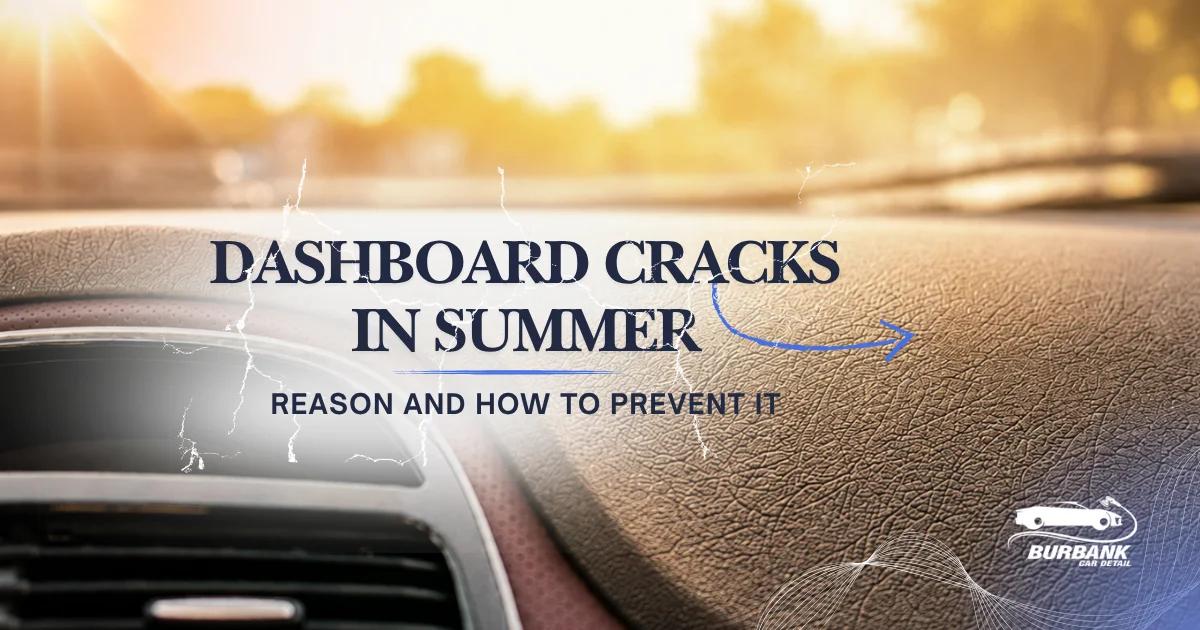
If you've lived through a few summers in Burbank, you've probably opened your car door at least once and felt like you were stepping into an oven. The steering wheel is too hot to touch. The seatbelt buckle feels like it belongs on a barbecue grill. And that dashboard sitting directly beneath the windshield? It's taking the worst of it every single day. That's one reason why your dashboard cracks in summer. Many drivers assume dashboard cracks are simply a sign of age. Sometimes they are. But heat, UV exposure, and constant temperature swings can dramatically speed up the process. A dashboard that spends months baking in direct California sun ages much faster than one that's protected from heat and sunlight.
The frustrating part is that the damage often happens slowly. First, colors begin to fade. Then surfaces start looking dry or brittle. Eventually, small cracks appear, and once they do, repairing them isn't always easy or inexpensive. And the dashboard isn't the only thing suffering. Modern vehicles are filled with electronics, screens, cameras, sensors, and devices that don't particularly enjoy spending hours inside a superheated cabin.
Let's look at what's actually happening inside your vehicle during summer, how heat affects the dashboard of a car, what risks exist for electronics, and what Burbank drivers can do to help prevent costly interior damage.
What Happens to the Dashboard of a Car During Hot Weather?
Most people think about the outside temperature. Your dashboard doesn't care what the weather app says. What matters is the temperature inside the vehicle. When sunlight passes through your windows, it becomes trapped inside the cabin. The heat builds quickly, especially when the vehicle sits parked for hours. This greenhouse-like effect can cause the car dashboard temperature to climb far above the outside air temperature. A 95-degree day can easily create interior temperatures that feel dramatically hotter.
Dark dashboards absorb even more heat. Over time, that constant heating and cooling cycle starts breaking down interior materials. Plastics lose flexibility. Vinyl dries out. Protective coatings wear away. Eventually, the material becomes brittle enough to crack. The process isn't always obvious at first. Many dashboards start showing subtle fading or discoloration long before visible cracks appear. Heat also affects more than just interior materials. Today's vehicles contain touchscreens, cameras, sensors, charging systems, and electronic components that spend every summer day fighting against extreme temperatures. That's why reducing cabin heat isn't just about comfort. It can help protect your vehicle's appearance and its technology at the same time.
How Heat Affects Dashboard Materials and Electronics in a Hot Car
A common question drivers ask is how long electronics can stay in a hot car. The answer depends on the device, the temperature, and how often it's exposed to those conditions. Many electronics can survive brief periods of heat exposure. The bigger concern is repeated exposure over weeks, months, and years. Smartphones left on the dashboard may overheat. Dash cameras can experience adhesive failure. Touchscreens may become sluggish or harder to read. Battery-powered devices often experience accelerated wear when exposed to excessive temperatures.
People sometimes search for the melting point of electronics, but the reality is that damage often occurs long before anything physically melts. Batteries, display components, adhesives, and internal circuitry can all be affected by prolonged heat. Built-in vehicle systems are designed to handle automotive conditions, but that doesn't mean they enjoy spending every summer afternoon inside an extremely hot cabin.
The safest approach is simple:
- Remove portable electronics whenever possible
- Use windshield shades
- Park in covered or shaded areas
- Crack windows when safe and practical
- Consider professional tinting solutions that help reduce interior heat buildup
Small habits can make a surprisingly big difference over time.
How to Prevent Dashboard Cracks in Summer
Once a dashboard develops deep cracks, there's usually no magic product that completely reverses the damage. That's why prevention matters. The goal is straightforward: reduce heat, limit UV exposure, and keep interior surfaces properly maintained. Start with the easiest step shade. Parking in a garage, under a carport, or beneath a tree whenever possible reduces direct sunlight exposure. Even a few degrees of temperature reduction can help over months and years.
Sunshades are another inexpensive tool that many drivers underestimate. They help block sunlight from hitting the dashboard directly and can significantly reduce interior temperatures. Regular cleaning matters too. Dust and dirt may seem harmless, but they can contribute to surface wear over time. Use interior-safe products designed for automotive materials rather than harsh household cleaners that may strip protective coatings. And while protectants can help maintain flexibility and appearance, they're most effective before cracking begins. Think of dashboard care like sunscreen. It's much easier to prevent damage than to undo it later.
Does Window Tinting and Windshield UV Tint Protect Your Dashboard?
This is where many Burbank drivers start paying attention. Window tinting isn't just about appearance. Quality tint can help reduce heat buildup and block a significant amount of UV exposure inside the vehicle. Since UV rays play a major role in fading and cracking interior materials, reducing that exposure can help protect your dashboard over time. Will tint completely stop sun damage? No. But it can reduce the daily punishment your interior receives from direct sunlight.
Many drivers exploring windshield UV tint or tinted windshield options or searching for windshield tinting near me are often looking for ways to keep their vehicles cooler while protecting their interiors. The answer to questions like "Should I tint my front windshield?", "Should you tint your windshield?", "Can you tint a windshield?", and "Can you have your windshield tinted?" depends largely on local laws and the type of film being used. That's why understanding California regulations is important before making any tinting decisions.
What California Drivers Should Know About Windshield Tinting Laws
One mistake many drivers make is assuming that any windshield tint is legal. California law is more specific than that. Under California Vehicle Code Section 26708, transparent materials may only be applied under certain conditions. Generally speaking, tinting is permitted on the uppermost portion of the windshield, while front side windows must meet the state's required 70% light-transmission standard. In other words, not every dark windshield film you see online is legal in California. Professional installation helps eliminate the guesswork. Experienced tint specialists can explain what films comply with California requirements while still providing practical UV protection and heat reduction. The goal isn't just a cooler vehicle. It's a cooler vehicle that remains safe, legal, and
What Are the Best Detailing Services That Protect Your Interior from Summer Damage?
Sometimes summer damage sneaks up on you. One day the interior looks fine. A few months later, the dashboard looks faded, the upholstery feels dry, and the entire cabin seems older than it should. Professional detailing can help restore and protect interior surfaces before small issues become larger ones. When the cabin feels dusty, sticky, faded, or worn, services such as interior detailing, car upholstery cleaning, interior shampoo treatments, and protective coatings can make a noticeable difference.
At Burbank Car Detail, drivers can find professional interior care services designed to help maintain the appearance and condition of their vehicles throughout Southern California's long summer season. Window tinting services can also provide an additional layer of protection by helping reduce heat and UV exposure inside the vehicle. Combined with routine maintenance and smart parking habits, these services can help keep your vehicle looking newer for longer.
Protect Your Dashboard This Summer with Burbank Car Detail Shop
The reason your dashboard cracks in summer is actually pretty simple. Heat, UV rays, and constant temperature changes slowly wear down the materials sitting directly beneath your windshield. Day after day, month after month, that exposure adds up until fading, drying, and eventually cracking begin to appear. The good news is that a few simple habits can go a long way. Parking in the shade, using sunshades, keeping interior surfaces clean, and considering professional window tinting can all help reduce the stress placed on your vehicle's interior. And when your car needs extra protection from Burbank's summer heat, Burbank Car Detail offers practical solutions, including interior cleaning, car upholstery cleaning, interior shampoo services, window tinting, and film coating options designed to help preserve your vehicle's comfort, appearance, and long-term value.
 /
/ /
/